

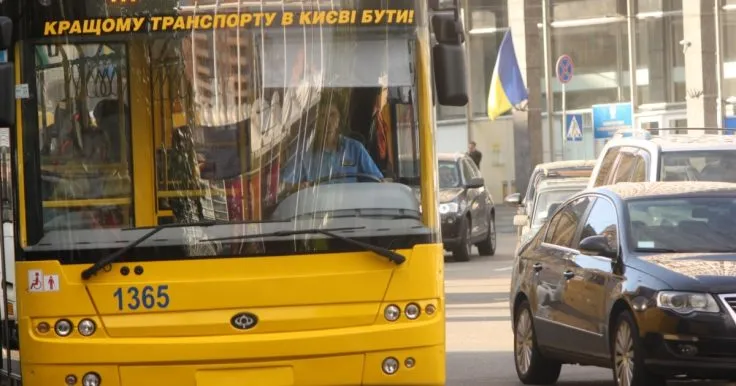
The Kyiv City State Administration has provided clarification regarding the significant increase in the fare for public transport in the capital, scheduled for summer 2026. Administration representatives emphasized that the new fare of 30 hryvnias for a single trip is based on the actual costs of transport enterprises, taking into account the rise in prices for energy resources, fuel, maintenance of rolling stock, and the need to ensure competitive wages for staff.
This is reported by Finway
Rising costs and declining passenger flow
The Kyiv City State Administration notes that labor and electricity costs for the capital’s metro increased by 61.7% and 66.9% respectively in 2025. For KP “Kyivpastrans”, costs for fuel and lubricants rose by 74.8%, while maintenance and servicing of infrastructure increased by 63.3%. At the same time, the volume of transportation decreased by 42% compared to the last tariff review period in 2018.
“The fare of 30 hryvnias is calculated based on the actual costs of enterprises in 2025. An analysis of these costs indicates a significant increase in certain indicators: labor costs and electricity charges in the capital’s metro rose by 61.7% and 66.9% respectively; KP ‘Kyivpastrans’ costs for fuel and lubricants increased by 74.8%, while maintenance and servicing of infrastructure and rolling stock rose by 63.3%,” the statement released on May 22 said.
Economically justified fare for 2026
Experts from municipal enterprises have calculated that the economically justified fare in 2026 will be 64.60 UAH for a single trip on the metro and 44.14 UAH for surface transport. However, due to the social significance of the issue, the fare for a single trip has been set at 30 hryvnias, which is lower than the full calculated level. This decision, according to the Kyiv City State Administration, allows for a balance between the financial stability of transport enterprises and the accessibility of transportation for Kyiv residents amid the economic challenges of wartime.
The administration emphasized that maintaining the old fare of 8 hryvnias would necessitate a significant increase in subsidies from the city budget. This could negatively impact the funding for the restoration of energy infrastructure and preparations for the heating season. Possible consequences for the transport sector include a reduction in repair work, deterioration of the technical condition of vehicles, increased intervals between services, staff shortages due to low wages, and delays in infrastructure upgrades.
Starting July 15, 2026, the new fare will be officially implemented. Passengers who regularly use public transport will be able to receive discounts: when purchasing monthly passes, the price of a single trip will be about 23.3–23.6 hryvnias. Students will pay 50% of the monthly pass cost, while schoolchildren will use transport for free during the academic year and receive a 75% discount in the summer period.
The capital also plans to introduce a transfer ticket costing 60 hryvnias, which will allow unlimited transfers between the metro and surface transport within 90 minutes. This approach is already used in many European cities; however, its effectiveness in Kyiv still needs to be assessed, considering the not always stable movement schedule, particularly due to air alerts.
Mayor Vitali Klitschko previously instructed the departments of the Kyiv City State Administration to prepare calculations based on economic justification for changing transport fares. He emphasized that since 2018, the cost of travel has remained the lowest in Ukraine, and the rise in prices for fuel, electricity, and logistics forces the city authorities to bring the fare closer to the economically justified level. According to Klitschko, the costs for urban transport in 2026 will reach 12 billion hryvnias.