

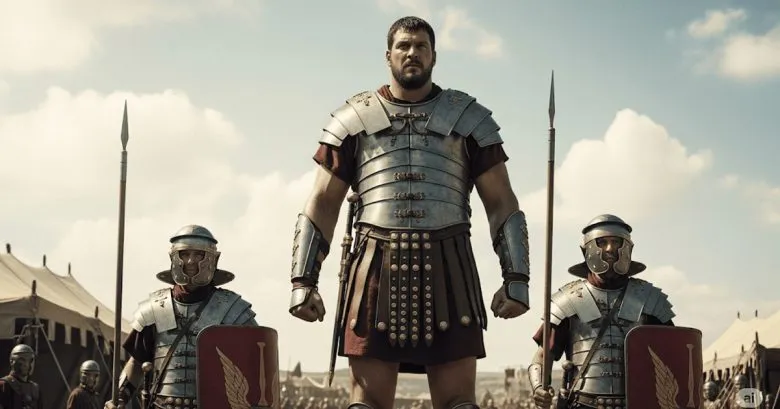
In the British Museum, there is a unique artifact — the Papyrus of Anastasius I, which has once again come under the spotlight of historians, archaeologists, and proponents of alternative theories. This ancient document, dated to the 13th century BC, contains descriptions of people of extraordinarily tall stature, sparking a new wave of discussions about the so-called “lost race of giants.”
This is reported by Finway
Satirical Letter and Mentions of Giants
The papyrus is a satirical letter from a scribe named Khori, addressed to his colleague. In the letter, the author describes the complex and dangerous lands of Canaan, as well as mentions the Shasu tribes, who, according to him, inhabited the mountainous regions. Researchers have been particularly drawn to the note that some individuals from these peoples likely reached heights of up to five cubits — approximately 2–2.4 meters. For the Bronze Age, such anthropometric data appeared exceptional, leading to the perception of such individuals as true giants.
Parallels with Biblical Accounts
The content of the papyrus resonates with biblical narratives about the “sons of Anak” and other giants, whom, according to tradition, the Israelites encountered during their journeys. It is in this tradition that the image of Goliath — the famous Philistine giant warrior — emerged. Some researchers suggest that such legends may have originated from real encounters with tribes of abnormally tall people who lived in the Middle East thousands of years ago.
The papyrus represents a satirical letter from the scribe Khori to a colleague, in which he describes the dangerous lands of Canaan and the Shasu tribes that supposedly inhabited the mountainous regions. The author notes that some individuals from these peoples had heights of up to five cubits — approximately 2-2.4 m. For the Bronze Age, such parameters were exceptional, leading to the perception of such individuals as true giants.
However, most scholars emphasize that the Papyrus of Anastasius I is primarily a satirical work. The mentions of giants within it are likely to be artistic exaggerations reflecting the myths, fears, and perceptions of ancient civilizations.
So far, archaeology has not uncovered convincing evidence of entire nations of giant people. Thus, the Papyrus of Anastasius I is regarded primarily as a valuable source for studying the worldview of ancient Egyptians, rather than as credible confirmation of biblical legends about giants.