

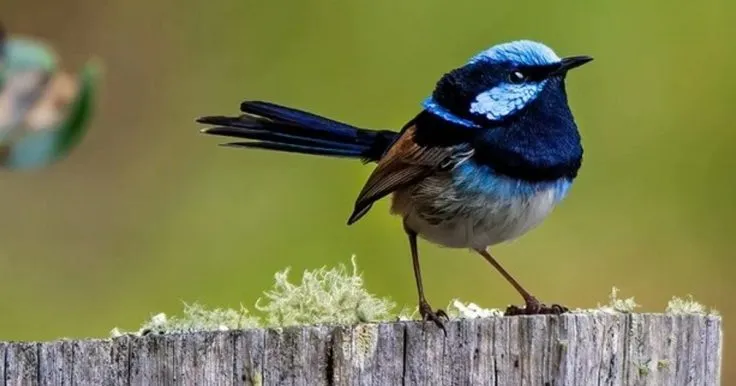
A large-scale study conducted by scientists from France, Germany, Poland, Spain, and the Czech Republic revealed an unexpected behavior of urban birds: they fear women significantly more than men. This conclusion was drawn by researchers after a series of experiments observing the birds’ reactions to the approach of people of different genders.
This is reported by Finway
Behavioral Characteristics of Observed Birds
During the study, ornithologists noted that dozens of common urban bird species in Europe, including thrushes, robins, starlings, finches, crows, sparrows, magpies, ducks, jays, and woodpeckers, allowed men to approach them more closely than women. Moreover, species affiliation did not play a decisive role: the vast majority of species exhibited greater wariness specifically towards women.
“According to ecologist Janina Benedetti from the Czech University of Life Sciences in Prague, she was quite surprised to find that birds react differently to people of different genders. In fact, the discovery is significant: many behavioral studies assume that the observing human is neutral, but the new research indicates that this is not true for urban birds.”
Participants in the experiment — pairs of men and women — were approximately the same height, dressed in similar colors, and approached the birds in turn and in the same manner. All actions, including head and eye movements, were standardized to minimize external influences. For female observers, additional restrictions were introduced: they did not participate in the experiments during menstruation and with loose long hair.
The Reasons for the Phenomenon Remain a Mystery
In total, the study recorded over 2000 approaches to 37 species of urban birds. According to co-author of the study, biologist Federico Morelli from the University of Turin, scientists are still unable to explain why birds fear women more than men. This question remains open, as even the mechanisms by which birds can recognize a person’s gender or gender identity are still unclear.
Another co-author, ecologist Daniel Blumstein from the University of California, Los Angeles, emphasizes that the results of the study are beyond doubt, yet the reasons for such behavioral differences have not yet been found. Scientists are considering among possible hypotheses the developed olfactory system in many bird species, which may allow them to “sense” subtle physiological differences between humans.
Given the centuries-long coexistence of humans and birds in European cities, the question remains open: why do men, according to the study’s findings, evoke less fear and wariness in birds?