

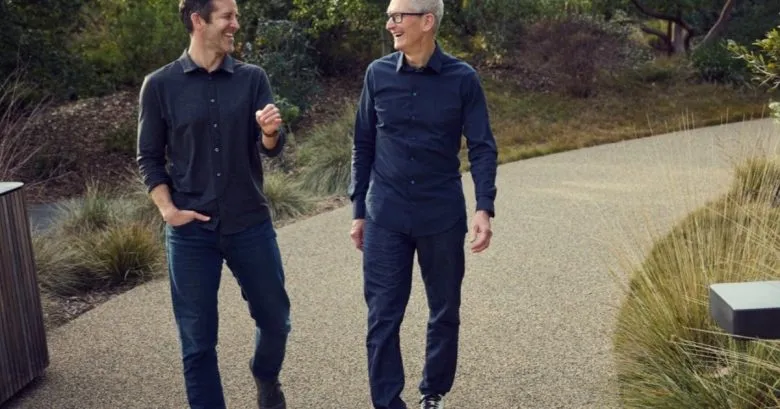
Tim Cook officially concludes his nearly 15-year tenure as CEO of Apple. Starting September 1, he will hand over the reins of the company to John Ternus, who previously held the position of Senior Vice President of Hardware Engineering. At the same time, Cook will remain within Apple, becoming the Executive Chairman of the Board of Directors.
This is reported by Finway
Personnel Changes at Apple
John Ternus, who has been with Apple since 2001, has significant experience in engineering development. He has directly led teams that created products such as the iPhone, iPad, Mac, AirPods, and the Vision Pro headset. Following his appointment as CEO, Ternus will join the Board of Directors. His previous responsibilities in hardware will be taken over by Jonny Srouji. The current non-executive Chairman of the Board, Arthur Levinson, will become the lead independent director. The transition period will last until the end of summer, allowing the company to smoothly adapt to the new management structure.
Summary of Tim Cook’s Leadership and Challenges for the New Leader
Tim Cook took the helm of Apple in 2011, succeeding Steve Jobs. Under his leadership, the company’s market value increased more than 20 times, reaching $4 trillion, while annual revenue surpassed $400 billion. Thanks to Cook, innovative products such as the Apple Watch, AirPods, and Vision Pro headset were launched. Even before becoming CEO, Cook steered the company out of crisis by optimizing the global supply chain and ensuring business stability.
The new CEO faces serious challenges. One of the key areas will be the development of artificial intelligence in Apple products. Investors are concerned about the company’s lag in AI compared to competitors. Last year, Apple changed the leadership of the relevant division and postponed a major overhaul of the Siri voice assistant. The new version of Siri, based on the Google Gemini model, is expected to be released this year.
Apple also faces macroeconomic challenges: supply chain disruptions, geopolitical tensions, and a shortage of memory for AI chips. Additional risks are posed by trade tariffs implemented by the Trump administration. In August, Tim Cook promised to invest $600 billion in the U.S. economy over five years to mitigate the impact of tariff policies.
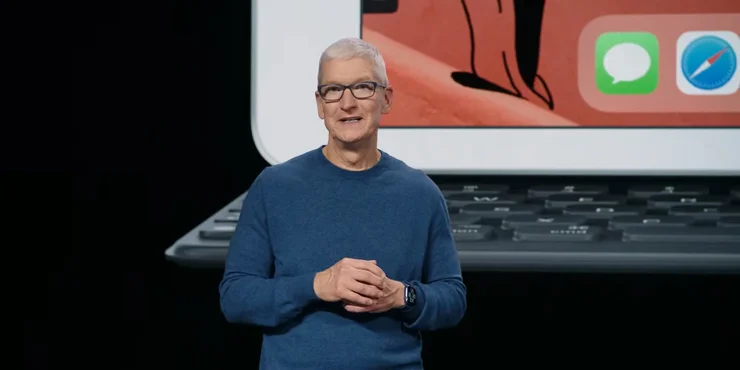
Tim Cook, photo: Screenshot
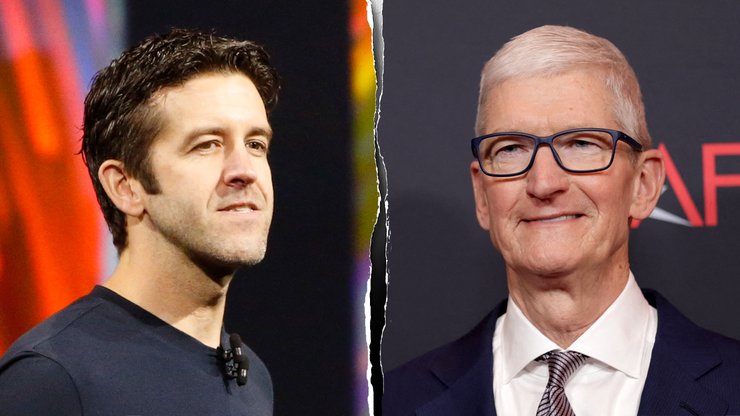
John Ternus (50 years) and Tim Cook (65 years), photo: Reuters
Unexpected Departure and Future Prospects
Many analysts consider Tim Cook’s decision to step down as CEO unexpected, as he had previously publicly denied any plans to retire. Just last month, on an American television show, he stated that he did not plan to retire and enjoyed his work.
“Overall, these words are relevant: while the main leadership role will pass to a former engineer, Cook will continue to assist with other important matters within the company. His areas of expertise include, for example, protecting Apple’s interests from political obstacles and establishing supply chains.”
Despite the leadership change, Tim Cook will remain an influential figure in the company, guiding strategic processes and helping the new CEO tackle the challenges facing Apple in the coming years.