

Modern non-African human populations have between 2% and 4% Neanderthal DNA in their genomes. Recent scientific studies indicate that such genetic fragments may adversely affect immunity, particularly increasing vulnerability to certain DNA viruses.
This is reported by Finway
How Neanderthal heritage affects the immune system
Previously, scientists established that genetic variants inherited from Neanderthals enhance the body’s defense against RNA viruses, which typically cause acute, short-term infections. In contrast, DNA viruses often persist in the body for many years, causing chronic diseases or remaining asymptomatic.
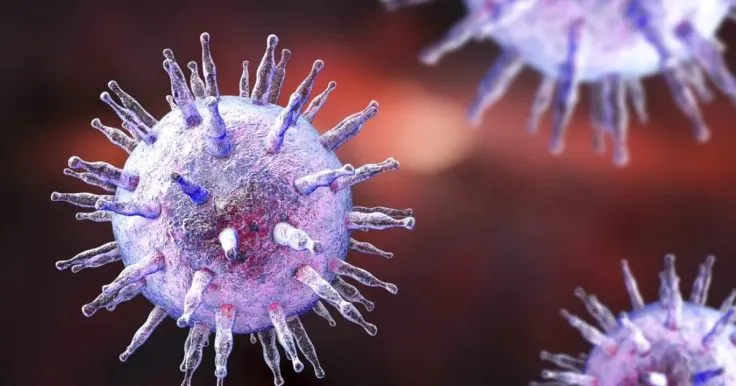
As part of a new study, researchers examined how Neanderthal DNA influences the modern human immune system’s response to DNA viruses. Special attention was given to the viral load of common viruses such as Epstein-Barr virus, human herpesvirus type 7, and three variants of Torque Teno virus. These viruses belong to the herpesvirus family and are widely distributed among the healthy population.
Study findings and potential implications
Researchers found that the presence of Neanderthal genetic variants in modern humans is associated with increased viral load of all five studied DNA viruses. A significant portion of these genes was found in the major histocompatibility complex – a group of genes that encode proteins necessary for recognizing and destroying infected cells by the immune system.
“Neanderthal genes may not provide effective protection against a range of DNA viruses in modern humans. This sharply contrasts with data on their beneficial effects on protection against RNA viruses.”
Scientists explain that this difference may be related to the evolutionary characteristics of Neanderthals: their immune system was better equipped to handle acute infections but was less adapted to combat chronic infections typical of DNA viruses. Genetic variants that were beneficial in countering Paleolithic pathogens may be less effective against modern infectious agents.
Thus, the Neanderthal legacy in our DNA is not always positive for health, and its impact on immunity depends on the types of viruses the human body encounters today.