

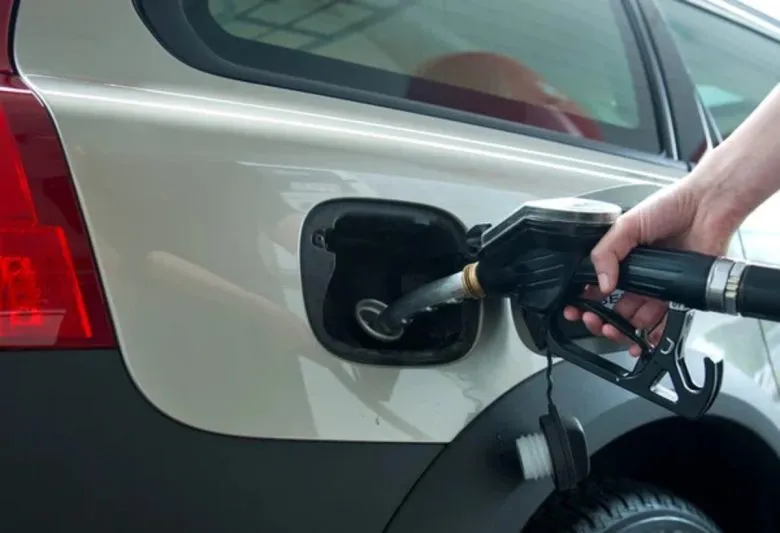
European countries are actively intervening in the fuel pricing process in response to rising oil costs linked to the tense situation in the Persian Gulf. According to market data, gasoline prices in EU countries have reached their highest levels in over three years, leading to increased inflation and prompting governments to swiftly implement new measures.
This is reported by Finway
Italy, Slovakia, and France: Diverse Approaches to Regulation
In Italy, the government has chosen a path of direct reduction in retail prices: the cost of gasoline and diesel fuel has been temporarily reduced by €0.25 per liter, and autogas by €0.12. Additionally, there is increased oversight on pricing to prevent speculation, and tax incentives are in place for transport companies.
In Slovakia, the authorities have implemented administrative restrictions—limits have been set on diesel sales, and separate pricing for foreign vehicles is being considered. These measures are planned to be temporary but may be extended if necessary.
In France, the government has not yet applied tax mechanisms; however, agreements have been reached with suppliers for voluntary price reductions on fuel.
Southern Europe and Business: New Stabilization Tools
The Greek authorities have limited the level of trade markup on fuel by setting maximum profitability thresholds for market operators. In Portugal, on the other hand, the focus has been on tax regulation—taxes have been temporarily reduced, and additional fiscal tools are being considered to influence the market.
“Despite different approaches, EU countries are moving in the same direction—strengthening state influence on the fuel market.”
Meanwhile, several companies are also responding to the situation: Shell in Slovenia has limited fuel sales for passenger cars, while other regional operators have introduced their own limits. French company TotalEnergies has already set upper price limits to stabilize costs for consumers.
Overall, EU governments are increasingly using both tax and administrative methods to control the fuel market, aiming to reduce inflationary pressure and avoid social tension.
Similarly, in Ukraine, a program called “National Cashback” has been introduced, allowing drivers to receive partial compensation for refueling their vehicles, which is intended to assist citizens during the period of high fuel prices caused by the crisis in the Middle East.