

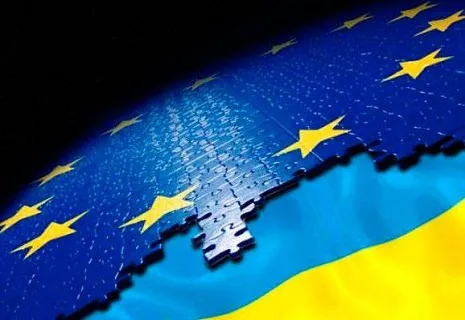
The European Commission is actively working on a strategy to transfer nearly 200 billion euros to Ukraine, currently held as frozen assets of the Russian Federation. These funds are intended to support Ukraine’s defense and post-war recovery. The initiative is viewed as a potential step towards the partial confiscation of Russian assets, which could serve as a punishment for the Kremlin’s refusal to pay compensation after the war.
This is reported by Finway
Prospects for Using Frozen Assets
At this stage, Brussels is analyzing whether EU member states are willing to invest these funds in riskier projects that could provide Ukraine with greater financial returns in the future. However, the question of full and immediate confiscation of Russian property remains open, as most EU countries oppose such a decision for legal and financial reasons.
The Baltic states and several other countries have long insisted on the complete seizure of Russian assets for the benefit of Ukraine, but this is opposed by Germany, Italy, and Belgium, in particular. Belgium is especially cautious due to the presence of the Euroclear depository in Brussels, where a significant portion of Russian assets is held, complicating the adoption of radical decisions due to potential legal and financial risks.
“We are advancing work on using frozen Russian assets to support Ukraine’s defense and recovery,” said European Commission President Ursula von der Leyen on August 28.
Alternative Mechanisms for Asset Transfer
Legal advisors to the European Commission are considering the option of creating a special purpose vehicle that could gain support from some EU countries, as well as the United Kingdom and Canada. Such a structure would allow for the transfer of assets to Ukraine at the most opportune moment and prevent situations where, for example, Hungary could exercise its veto power and return these funds to Russia. Transferring assets into a new organizational form would not require unanimous agreement from all EU members.
Establishing a special fund would also allow for the placement of assets in higher-risk projects, potentially providing Ukraine with additional income. At the same time, there is skepticism among experts regarding such investments. In particular, Euroclear CEO Valerie Urban warns that in the event of unsuccessful financial investments, losses would have to be compensated by taxpayers in the EU. This is why Belgium insists on the need to distribute responsibility among all member states of the Union.
Key negotiations on this initiative are expected to take place tomorrow during a meeting of EU foreign ministers, where the European Commission’s proposal regarding the future of frozen Russian assets will be discussed.