

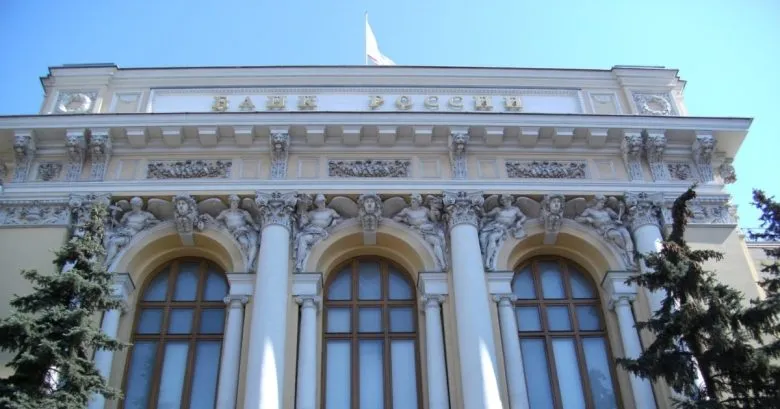
The Bank of Russia has decided to lower the key rate from 20% to 18% at its July board meeting. This move marks the second consecutive reduction and occurs against the backdrop of weakening economic activity, declining demand, and slowing inflation rates.
This is reported by Finway
Factors Influencing the Central Bank’s Decision
The bank’s statement emphasizes the decrease in labor shortages and reduced demand for workers, as well as the slowdown in wage growth. Economists note that the Russian economy has been showing signs of slowdown since the beginning of the year, a consequence of excessive growth driven by the expansion of military production.
Dynamics of the Key Rate and Its Impact on the Economy
From October to April, the key rate remained at a record high level for the last two decades — 21%. In comparison, in 2021, before the full-scale aggression against Ukraine, the rate had dropped to 4.5%.
The size of the key rate determines the interest rate for bank lending from the Central Bank. If banks obtain resources at a higher cost, then loans for businesses and individuals become less accessible. A high rate traditionally restrains inflation; however, it simultaneously hinders economic development and consumption.
“In its statement, the Central Bank notes the reduction in the growth of labor shortages and the decrease in demand for labor, as well as the slowdown in wage growth.”
In June, the Central Bank of Russia already lowered the key rate — it fell from 21% to 20%. The current decision for further reduction demonstrates a prolonged trend towards easing monetary policy amid changes in the country’s macroeconomic indicators.