

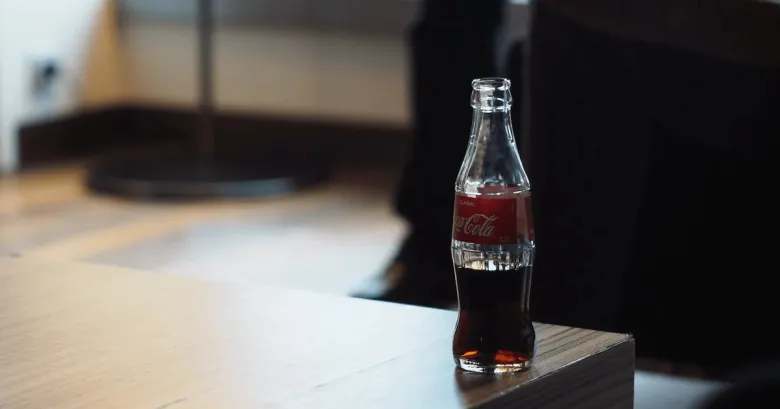
A group of enthusiastic brewers has made a significant breakthrough in the field of alcoholic beverage production. They have managed to transform the world-famous carbonated drink Coca-Cola into a very strong wine, using ancient fermentation techniques and a modern approach to flavor experimentation.
This is reported by Finway
How an Alcoholic Beverage is Made from Coca-Cola
Alcohol production is a craft that has accompanied humanity for over eight thousand years. It is enough to combine sugar, yeast, and other aromatic ingredients, and then leave the mixture for natural fermentation. However, brewers from Golden Hive Mead have decided to take it a step further by using Coca-Cola itself as the base for their alcoholic beverage. Since honey was used in the recipe, the resulting product can be classified as mead, or more precisely, boshe, which is mead brewed with caramelized honey. The result impressed even experienced tasters: the drink turned out to be not only unique but also quite strong.
Preparation Steps and Flavor Characteristics
The brewers note that the process of making this drink is quite simple. First, the honey needs to be caramelized to a dark color until it acquires a characteristic oak and smoky flavor. Next, the Coca-Cola must be poured into a large container and stirred thoroughly to allow the gases to completely dissipate. Although removing the carbonation may seem illogical, this step is crucial, as the dissolved carbon dioxide adds sharpness to the drink but can hinder the fermentation process.
Once the carbonation is gone, the Coca-Cola is combined with the caramelized honey and yeast, the container is sealed, and the drink is allowed to steep for 30 days. The yeast, rich in millions of microorganisms, converts the sugar into alcohol, and within a month, the mixture acquires new properties. During this time, most of the characteristic flavors of Coca-Cola fade away; however, the addition of toasted oak chips, a vanilla pod, cinnamon, and an extra portion of caramelized honey helps balance the flavor and return interesting notes to the drink.
“Both tasters were thrilled with the final product and stated that their mead contains about 10.5% alcohol, and it has a ‘tart-caramel’ flavor with hints of cinnamon and apple.”
The experimental brewers are surprised that such a drink has not yet gained worldwide popularity, as its preparation is quite simple, and its flavor qualities have no analogs among traditional alcoholic beverages. This experiment could spark new trends in the world of home winemaking and brewing.