

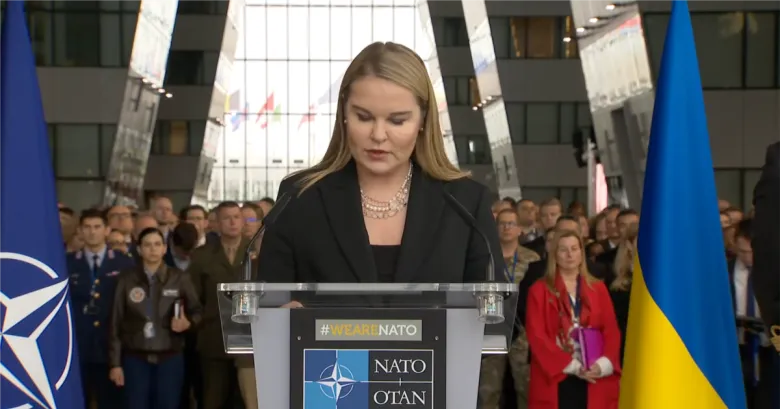
The supply of American weapons to Ukraine under the PURL program is currently proceeding as usual, without delays or negative impacts from events in the Middle East. This was reported by Ukraine’s Ambassador to NATO, Alona Hetmanchuk.
This is reported by Finway
Impact of Events in the Middle East: The Ukrainian Position
“We are currently not observing any changes or delays in supplies under the PURL program due to events in the Middle East. We also do not see any impact on the decisions made at the ‘Ramstein’ meeting regarding additional air defense assets provided from partner stockpiles. Everything is on track,” the diplomat noted.
The diplomat emphasized that Ukraine is not seeing any changes in the schedule for the delivery of weapons purchased with the funds of allies and NATO partners. There is also no impact on the decisions regarding additional air defense assets that were made in the ‘Ramstein’ format and are being provided from partner stockpiles.
The Importance of Contributions to the PURL Program
Hetmanchuk pointed out that timely financial contributions from the participating countries in the PURL program are crucial. This allows the American side to quickly process orders and deliver weapons to Ukraine. To protect against mass and mostly ballistic strikes, there are two main avenues of assistance: a direct contribution to PURL or the transfer of interceptor missiles to Ukraine from the stockpiles of partner countries.
Ukrainian President Volodymyr Zelensky recently confirmed that the PURL program, under which American weapons are procured for Ukraine, is operational. At the same time, he noted that the intensity of hostilities in Iran could affect the volume of air defense supplies for Ukraine.
For reference, in the summer of 2025, the US and NATO signed the PURL (Prioritized Ukraine Requirements List) agreement, which provides for the supply of American weapons to Ukraine funded by European countries, with NATO coordinating the efforts. The total amount of contributions for 2025 was $4.3 billion, of which nearly $1.5 billion was transferred in December.