

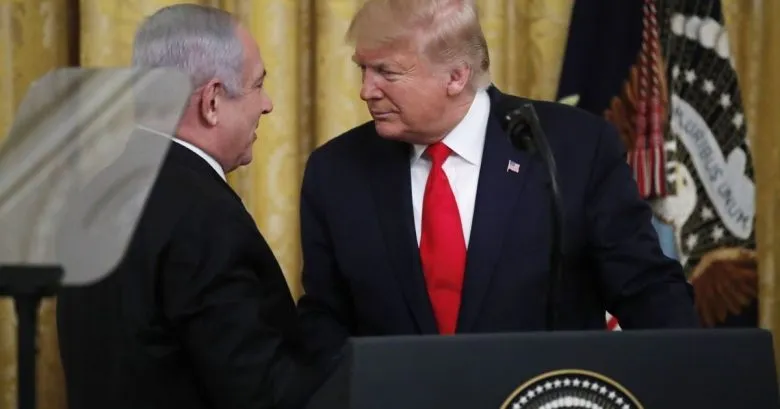
U.S. President Donald Trump and Israeli Prime Minister Benjamin Netanyahu held a meeting at the White House, during which they reached an agreement to intensify economic pressure on Iran. The main topic of the discussions was the restriction of Iranian oil exports to China, which both parties believe could significantly reduce Tehran’s oil revenues.
This is reported by Finway
Strategy of ‘Maximum Pressure’ on Iran
More than 80% of Iranian oil is exported to China, so the introduction of additional restrictions on this market is seen as a key component of the U.S. strategy of ‘maximum pressure’ on Iran. Reducing oil revenues could significantly complicate the Iranian government’s ability to finance domestic and foreign programs.
“The application of ‘maximum pressure’ combined with diplomatic efforts aims to create additional leverage over Iran; however, potential restrictions for China could further strain relations between Beijing and Washington, especially in light of preparations for one of the upcoming summits.”
Common Goal — Preventing Nuclear Weapons in Iran
During the talks, the leaders of the U.S. and Israel also reaffirmed their common goal — to prevent Iran from acquiring nuclear weapons. Prior to this meeting, indirect nuclear negotiations took place in Oman between Washington and Tehran, and the U.S. has deployed additional military forces to the region due to rising tensions.
Strengthening sanctions and limiting Iranian oil exports to China could impact not only the economic situation in Iran but also the geopolitical relations between Washington, Beijing, and Tehran, especially ahead of important international summits.