

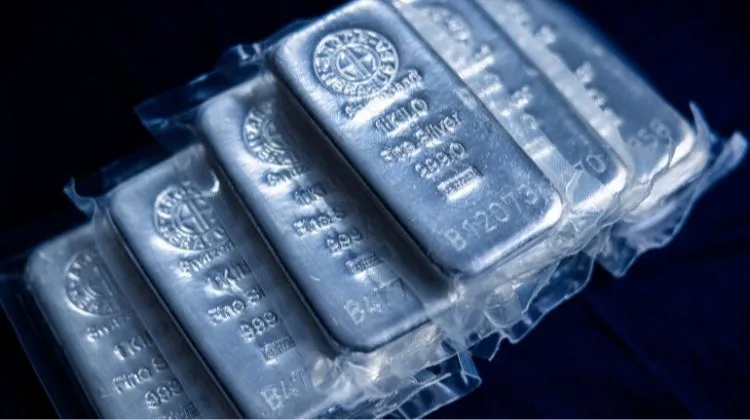
Silver continues to show dynamic price growth and on Tuesday reached a historic high, hitting the important mark of $70 per troy ounce. During trading, the spot price of the metal increased by 0.7%, reaching $69.48, following a previous record value of $70.66. Since the beginning of the year, the price of silver has risen by 123%, marking the largest jump in recent times.
This is reported by Finway
Rising Demand and Market Factors
For the past five years, the silver market has been in a state of deficit, contributing to the continuous price increase. The main driver is the growing industrial demand for silver. At the same time, investors view this metal as a safe-haven asset amid expectations of further weakening of the US dollar and declining yields on American bonds.
“At the core of this reality of supply and demand in a market that has been in deficit for five years is the increase in industrial demand. The safe-haven aspect, expectations of a weaker dollar, and declining yields are part of this equation,” said Peter Grant, Vice President and Senior Metals Strategist at Zaner Metals.
Analysts note that the next target for silver could be the $75 per ounce level. However, they warn that a partial price decline may occur at the end of the year due to profit-taking by investors.
Gold Dynamics and the Impact of the US Dollar
Amid the record rise in silver, gold also reached a historic high, climbing to $4497.55 per ounce. However, following the release of economic data showing higher-than-expected growth rates for the US economy in the third quarter, the spot price of gold fell to $4449.99 per ounce, trimming some profits. A stronger dollar makes precious metals less attractive to foreign buyers, as their prices are set in US dollars.
Throughout the year, the price of gold has increased by approximately 70%. This has been influenced by geopolitical tensions, rate cuts in the US, increased activity from central banks in purchasing gold, and steady investment demand.