

The authorities of the Russian Federation plan to extend the operational lifespan of river and sea vessels from 40 to 50 years. To this end, the Ministry of Transport has prepared corresponding amendments to the bill, which prohibits the use of old vessels starting in 2030. This decision is a result of a nearly twofold reduction in funding for the state program of preferential leasing of civilian vessels for 2026–2028, down to $1.75 billion. This has led to a decrease in the number of vessels planned for construction under the program from 260 to 219 units.
This is reported by Finway
Shipbuilding Issues and Delays in Russia
Another factor influencing the decision has been delays in ship construction at Russian shipyards. On average, it takes two years to build a medium-tonnage ship and three years for a large-tonnage one. However, projects are often delayed by an equal amount of time, meaning that most of the vessels already laid down will not be delivered to customers by 2030.
According to the Ministry of Transport of the Russian Federation, to fully renew the fleet, 1,714 vessels need to be replaced over the next four years. At the same time, preliminary estimates suggest that in 2025, Russian shipyards will only be able to deliver 129 civilian vessels to customers, compared to 131 in 2024.
Threats from Russia’s Shadow Fleet
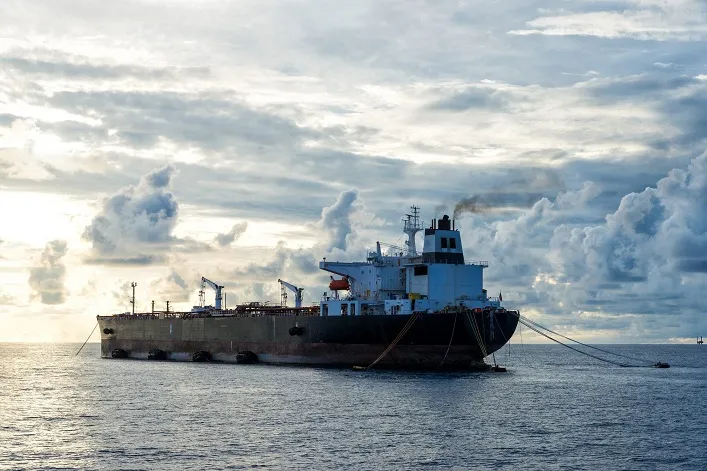
It is worth noting that Russia’s shadow fleet consists of over 900 outdated tankers aged over 15–20 years, which were created to circumvent sanctions on oil exports. Many of these vessels operate without proper insurance and with crews lacking sufficient experience. This significantly increases the risks of environmental disasters, especially due to potential oil spills in the Baltic Sea.
“These vessels, often without proper insurance and with inexperienced crews, pose a high risk of environmental catastrophe due to the possibility of oil spills, especially in the Baltic Sea.”