

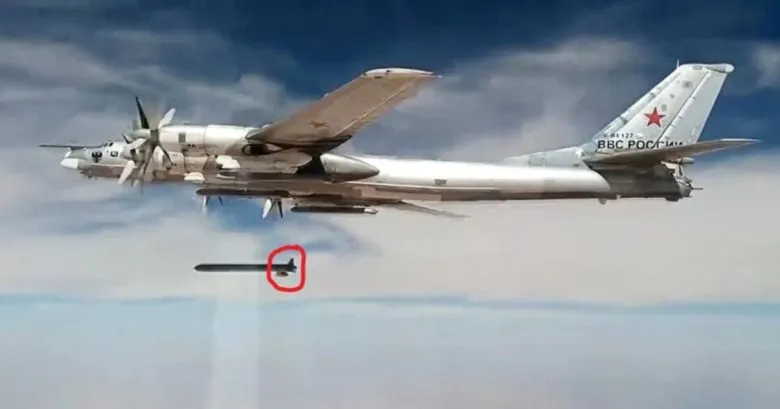
On the night of March 24, the armed forces of the Russian Federation carried out a powerful combined attack on critical infrastructure in Ukraine, using strike drones and various types of missiles simultaneously. The Air Force of the Armed Forces of Ukraine reported the detection of 426 aerial attack means, including both ballistic and cruise missiles, as well as hundreds of kamikaze drones.
This is reported by Finway
Scale of the attack and effectiveness of air defense
According to official information, the enemy used seven ballistic missiles “Iskander-M” or S-400, 18 cruise missiles X-101, five cruise missiles “Iskander-K”, four guided aviation missiles X-59/69/31, as well as 392 strike drones of the Shahed type, “Gerbera”, “Italmas”, and other models. About 250 of them were Shahed drones.
Ukrainian air defense forces managed to destroy 390 targets, including 25 missiles and 365 drones. In particular, all 18 X-101 cruise missiles, five “Iskander-K” missiles, two guided aviation missiles X-59/69, and 365 drones of various types were eliminated. However, six missiles and 27 drones hit targets at 22 locations, and debris from downed UAVs fell in ten other areas. Information regarding three missiles is being clarified; according to the Air Force, the attack was ongoing, and several enemy drones remained in the air.
“Six missiles and 27 strike UAVs were recorded hitting 22 locations, as well as debris from downed UAVs falling in 10 locations. Information regarding three enemy missiles is being clarified,” the Air Force stated, adding that the attack continues, “with several enemy UAVs in the air.”
Government position and international interpretation of Russia’s actions
On the eve, March 23, President Volodymyr Zelensky urged Ukrainians to remain vigilant due to the possibility of a massive missile strike. Ukrainian cities and civilian infrastructure continue to regularly suffer attacks using various types of weapons: strike drones, missiles, guided aerial bombs, and multiple launch rocket systems.
The Ukrainian government and international organizations classify strikes on critical infrastructure as war crimes of the Russian Federation, which exhibit signs of targeted actions against the civilian population. In particular, systematic shelling of vital facilities, medical institutions, electricity and water supply, as well as the persecution of pro-Ukrainian populations in occupied territories, the destruction of the intelligentsia, and deportations are viewed by experts and human rights defenders as actions that could be classified as genocide against the Ukrainian people.
The UN Convention on the Prevention of Genocide defines such actions as crimes aimed at the partial or total destruction of a national, ethnic, racial, or religious group. To date, 149 countries have joined the Convention, which obliges them to prevent and punish acts of genocide, regardless of whether it is during wartime or peacetime.
Despite the evidence and numerous testimonies, the leadership of Russia denies accusations of deliberate attacks on civilian infrastructure, hospitals, schools, energy facilities, and other objects that sustain the livelihoods of the Ukrainian population.