

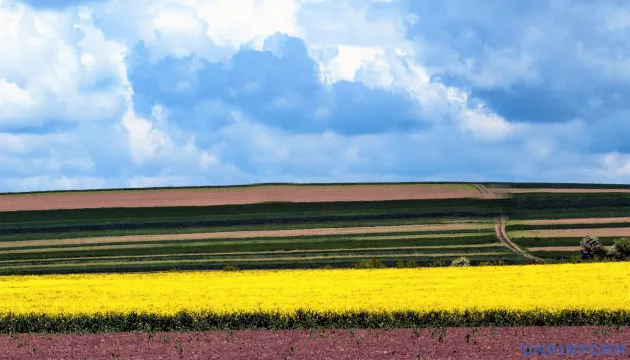
In Ukraine, there is an increase in prices for the new rapeseed harvest, which is linked to the heightened demand for biofuel in the global market. This trend has emerged against the backdrop of analysts’ forecasts regarding the maintenance of high oil prices until the end of the current year, as well as the prolonged war between Israel and Iran, which affects energy markets.
This is reported by Finway
Increase in rapeseed prices and changes in exchanges
The price dynamics are significantly influenced not only by the demand for biofuel but also by the reduction in rapeseed harvests in the European Union and Canada. As a result, August futures for rapeseed on the Paris exchange reached a seasonal maximum of 528.5 euros per ton last week. Subsequently, quotes slightly decreased to 524.75 euros per ton, which is approximately equivalent to 615 dollars per ton.
“Analysts’ forecasts regarding the continuation of the war with Iran, as a result of which oil prices will remain at around 100 dollars/barrel until the end of the year, are boosting demand for biofuel and, accordingly, for the new rapeseed harvest, leading to price increases,” the report states.
Since February of this year, oil prices have risen by 50% and reached 98 dollars per barrel, creating conditions for further increases in rapeseed prices.
Export situation and prices in Ukraine
According to the exchange, the export season for rapeseed for 2025/2026 has already ended. During the first three weeks of May, Ukraine exported nearly 119 thousand tons of this crop, with the European Union remaining the main buyer.
Currently, traders are offering 590–600 dollars per ton for the new rapeseed harvest with delivery to Black Sea ports. In comparison, in the previous season, prices did not exceed 570–580 dollars per ton. The purchase of old crop rapeseed has practically ceased, and its resumption is expected in mid-June.
Experts note that stability and high demand for the old crop remain in the European rapeseed market; however, with the start of the new harvest, a gradual decrease in prices may be possible.
As of May 25, Ukrainian farmers have sown over 5.63 million hectares of spring grains and leguminous crops, which is 94% of the projected area.