

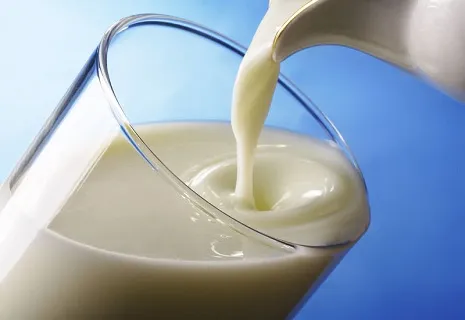
In Ukraine, a new phase of price increases for dairy products is observed in October 2025. During the cold season, prices for key dairy goods have already risen by approximately 5%, and analysts predict further increases of another 5% by the end of autumn.
This is reported by Finway
Seasonal Demand and Inflation Impact
The start of the school year and the drop in temperature traditionally boost demand for dairy products. After a calm summer, the consumption of milk, cheese, and butter has increased by 10–15%. Producers of whole milk products and cheese report a steady rise in sales. At the same time, experts note that this year’s price increase is less rapid than it was before the war, yet it still significantly impacts the budgets of Ukrainians.
“Demand for milk, cheese, and butter has increased by approximately 10–15%. This is a seasonal phenomenon, but we are currently observing it against the backdrop of overall economic instability,” explained an analyst from Infagro.
The price increase is attributed to the rising cost of raw materials and inflationary processes. According to official data, inflation reached 13.2% in August 2025. This has affected all stages of production—from the purchase of feed and fuel to packaging and transportation. In particular, the price of raw milk for processors has risen by 9% compared to mid-summer.
Changes in Consumer Behavior
The rising costs for producers have necessitated a review of pricing policies. The impact of inflation is felt in the final prices for consumers: the most significant increases will be seen in butter, cheese, yogurts, and whole milk products. At the same time, Ukrainians are not giving up on basic dairy goods, although they are increasingly opting for budget brands or promotional offers.
Experts note that demand remains stable despite rising prices, while the structure of consumption is shifting towards savings. Producers continue to face rising costs for raw materials, forcing them to adjust prices to stay afloat.
Specialists predict that market stabilization is only possible in winter when production volumes traditionally decrease and prices reach peak levels. The future pricing situation will depend on the costs of feed, energy resources, and logistics, which make up the majority of the production cost of dairy products.