

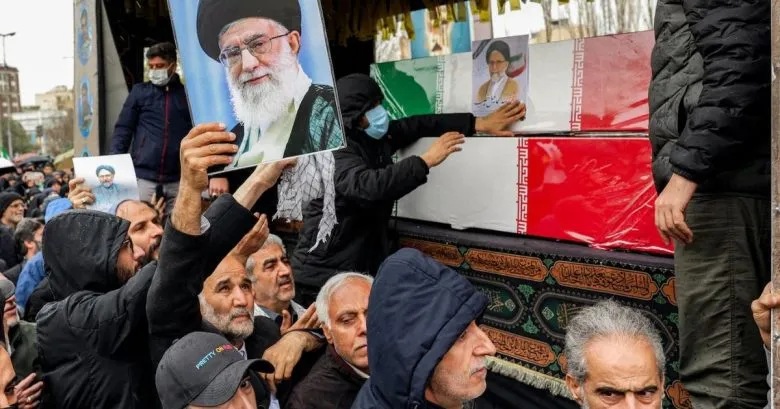
Iran is currently rejecting the idea of a diplomatic resolution to the conflict with Israel and the United States, opting instead to escalate attacks in the region. Despite international pressure, Tehran shows no willingness to capitulate, continuing to leverage its strategic advantage — control over the Strait of Hormuz.
This is reported by Finway
Control over the Strait of Hormuz as a Lever of Influence
According to reports, the Iranian leadership’s unwillingness to compromise is driven by their ability to block this crucial transport corridor — the Strait of Hormuz. Iran hopes that the deepening global economic issues caused by the partial blockade of the strait will exert pressure on the administration of U.S. President Donald Trump more quickly than Washington can respond with military measures.
One Iranian diplomat explained that Tehran’s actions are aimed at complicating the actions of its adversaries, making them “extremely costly” for any attackers.
“We are standing alone against the greatest military superpower in history,” the source told WP.
Reactions from Neighboring Countries and Conditions for Negotiations
European diplomats note that the Iranian authorities view their ability to control the strait and resist U.S. and Israeli pressure as a short-term victory. They believe this allows Iran to influence international energy markets and maintain its position without feeling significant external pressure.
Sources reported that representatives from Qatar and Oman recently initiated contacts with Iran regarding a possible ceasefire. However, even the significant military advantage of the U.S. and Israel, according to diplomats, does not provide real chances for a swift change of the Iranian regime.
At the same time, Iran states its readiness to begin negotiations only on the condition that the U.S. and Israel cease attacks first. Additionally, Iranian diplomats are putting forth conditions regarding security guarantees, including financial compensation for damages related to the war.
European officials also point out that the wave of assassinations of high-ranking Iranian officials, including former Secretary of the National Security Council Ali Larijani, has significantly complicated the prospects for dialogue, as he could have established contact with the West.