

Artificial Intelligence (AI) is rapidly becoming one of the main issues for voters ahead of the upcoming midterm elections for the U.S. Congress. The public is actively discussing the impact of this technology, and the political agenda is increasingly being shaped around the topic of AI regulation.
This is reported by Finway
Trump’s Executive Order and the New Conflict Surrounding AI
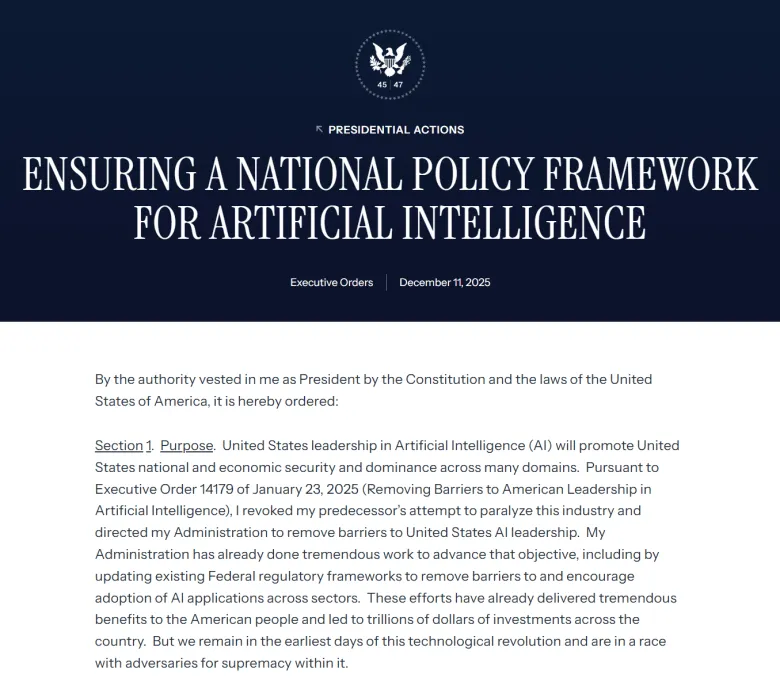
At the center of the political debate is a recent executive order from the Donald Trump administration that limits states’ rights to independently regulate artificial intelligence. The document entails judicial pressure and the imposition of financial sanctions on regions that implement their own rules regarding AI. This initiative has significantly intensified the discussion between proponents of centralized regulation of the industry and those advocating for state autonomy on this issue. 
Experts note that this move has deepened the ideological divide in American politics. While most voters support the need for regulating AI development, the federal government is effectively siding with technology companies seeking to avoid strict limitations.
Confrontation Over AI Regulation and Infrastructure
According to surveys, over 70% of American voters support the involvement of both federal and local authorities in overseeing the development of artificial intelligence. However, the adopted policy is causing a rift between public expectations and the government’s actual actions. As a result, a new front in political struggle is emerging, where the issue of AI is viewed not only from a technological perspective but also from a socio-economic one. Voters are concerned about the impact of AI on employment, access to resources, and the dominance of large corporations in the industry.
Particular tension arises from the development of AI infrastructure—primarily data centers. Protests are already being observed in several states due to the negative impact of such facilities on the energy system and environmental situation.
“The energy and environmental costs associated with data centers are just one of many negative consequences that technology companies are trying to impose on the public,” the article states.
Analysts believe that resistance to the development of AI infrastructure unites a broad spectrum of voters: from progressive activists to supporters of Donald Trump. Although the protests are currently localized, they could evolve into a large-scale political movement that will influence the course of the election campaign.
Some politicians are already outlining their positions on the future development of AI. Among them are advocates for stricter limitations on the industry and critics of the current federal policy aimed at supporting the technology sector.
Experts predict that as investments in AI technologies continue to grow and their influence on the economy strengthens, this topic will remain central in political debates. Voters will increasingly evaluate candidates based on their stance on AI regulation issues.
