

At the end of 2025, the Ukrainian government introduced a temporary restriction on scrap metal exports. The reason for this decision was a significant shortage of raw materials in the domestic market, which reached approximately 200 thousand tons in 2025. This negatively impacted steel production volumes and led to substantial economic losses for the state.
This is reported by Finway
Increase in Exports and Raw Material Shortage
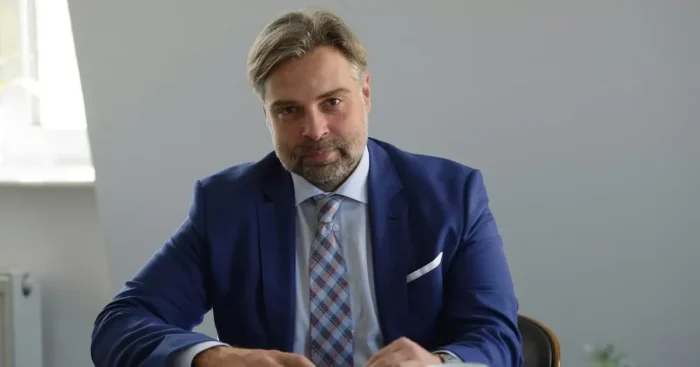
As reported by the president of the metallurgical association “Ukrmetallurgprom,” Oleksandr Kalenkov, over the past three years, scrap metal exports from Ukraine have increased nearly ninefold: from 50 thousand tons in 2022 to 450 thousand tons in 2025. At the same time, scrap collection within the country has significantly decreased, causing the market shortage. Due to the lack of raw materials, Ukrainian enterprises received less scrap than they needed, which was particularly felt by electric metallurgy plants and those operating on iron ore. In all major methods of steel production – open-hearth, converter, and electric arc – scrap is a necessary component.
“Scrap metal exports from Ukraine increased from 50 thousand tons in 2022 to 450 thousand tons in 2025. Scrap collection in the country has decreased several times. This has led to a scrap shortage in Ukraine, which we estimate at approximately 200 thousand tons in 2025. Ukrainian enterprises received less scrap than required. This negatively affected both electric metallurgy enterprises that use only scrap metal and those working on iron ore. In all methods of steel production (open-hearth, converter, and electric arc), scrap is essential,” he said.
Economic Consequences and International Context
According to Kalenkov’s estimates, in 2025, due to the scrap shortage, Ukrainian metallurgists produced less steel than they could have. This resulted in a loss of about 700 million dollars in foreign currency revenue and billions of hryvnias in tax revenues. The metallurgical industry remains one of the few sectors that consistently brings foreign currency and taxes to the state and is also crucial for the defense industry.
Oleksandr Kalenkov also emphasized the importance of maintaining the operability of the mining and metallurgical complex, as it is a strategic supplier of special steels for the defense industry and fortification structures, which directly impacts not only the economic but also the physical security of the country.
The head of “Ukrmetallurgprom” commented on the reaction of Polish metallurgists to Ukraine’s decision. He noted that the demand in the Polish market for scrap metal is nearly 7 million tons, while supplies from Ukraine in 2024 amounted to only 350 thousand tons, or less than 5% of Poland’s total needs. Meanwhile, in 2024, Poland itself exported approximately 3 million tons of scrap. Most of the Ukrainian scrap metal was transiting through Poland to avoid export duties and was subsequently re-exported to third countries, including Turkey.
During the preparation of the decision to temporarily restrict scrap metal exports, Ukraine held open consultations with the European Commission. According to Kalenkov, at the Brussels level, the Ukrainian side received understanding regarding the necessity of such measures.