

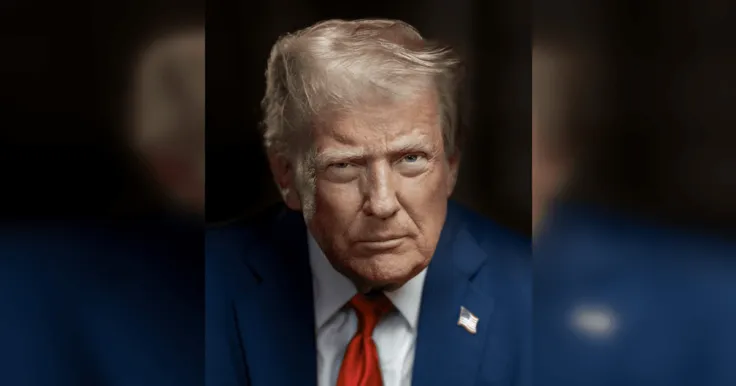
U.S. President Donald Trump has instructed his advisors to develop a plan for a prolonged blockade of Iran, viewing this strategy as a primary tool for influencing the country’s leadership. This move entails further restrictions on the export of Iranian oil, as well as the economic depletion of Iran through the blockade of ports and shipping.
This is reported by Finway
Strategic pressure and consequences for Iran
According to U.S. officials, during recent meetings, including in the White House Situation Room, Trump decided to intensify economic pressure on Tehran. He rejected alternative options, such as resuming large-scale bombings or a complete withdrawal from the conflict, considering them too risky compared to continuing the blockade.
As a result of the already implemented restrictions, Iran has faced difficulties in storing unsold oil, as well as a significant reduction in revenues from energy resource sales. The U.S. rejected the Iranian side’s proposal for a gradual settlement and the resumption of shipping through the Strait of Hormuz, as these conditions did not include significant concessions on the nuclear issue.
Global impact and positions in the U.S.
The reduction of oil transportation through the Strait of Hormuz is already having a noticeable impact on the global economy. Rising oil prices and concerns about the stability of energy resource supplies are becoming key consequences of this blockade.
“The White House is determined to achieve a strategic outcome – to force Iran to abandon the development of its nuclear program or significantly limit it.”
At the same time, there is no consensus in Washington regarding further actions. Some advisors support the continuation of strict pressure, while others warn of potential negative economic consequences and prolonged confrontation. Negotiations between the U.S. and Iran are currently at an impasse, and Tehran requires additional time for internal consultations, complicating the search for a compromise.
Earlier, a meeting took place in St. Petersburg between Russian President Vladimir Putin and Iranian Foreign Minister Abbas Araqchi. The parties emphasized the strategic partnership between Russia and Iran and expressed mutual support in the context of the war.