


The Royal Seal of Edward the Confessor, which had been considered lost for over thirty years, has recently been rediscovered. This medieval artifact holds significant historical importance: it allows for a new perspective on the political processes, international relations, and administrative changes in England just before the Norman Conquest.
This is reported by Finway
How the Unique Artifact Was Found
The wax seal, known as the Seal of Saint-Denis, disappeared from the French National Archives back in the 1980s. It was discovered by researcher Guilhem Dorande while reviewing private collections of seals in Paris. It turned out that this valuable artifact had not been stolen, as previously thought, but had been kept separately due to a misclassification.
“The seal was not stolen; it was misclassified and stored separately from the original document. Its return has resolved a long-standing issue for historians and restored access to one of only three surviving authentic seals associated with Edward.”
The seal dates back to approximately 1053–1057, meaning it belongs to the final years of Edward the Confessor’s reign. It was attached to a royal charter—a document that was just beginning to be used in contemporary England.
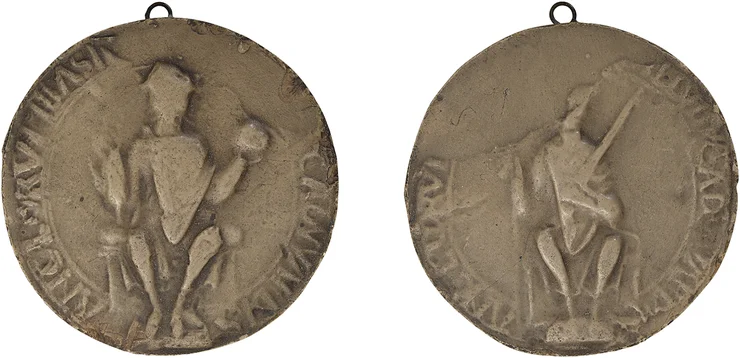
Unlike previous practices, where the legitimacy of documents was confirmed by lists of witnesses, the new system used the seal itself. It is made of wax and features a double-sided design: on the obverse, there is an image of the king holding a scepter, orb, and sword, symbolizing power. This approach marked a turning point in the visualization of royal authority.
The Significance of the Inscription and Imperial Influences
A distinctive feature of this seal is the inscription “Anglorum basileus.” The word “basileus” has Greek origins and is traditionally associated with Byzantine emperors, indicating the extensive political and cultural connections of contemporary England. Researchers believe that Edward the Confessor was influenced not only by Byzantine but also by continental traditions, and the use of the sword alongside other regalia alludes to Byzantine coins and emphasizes the monarch’s imperial ambition.
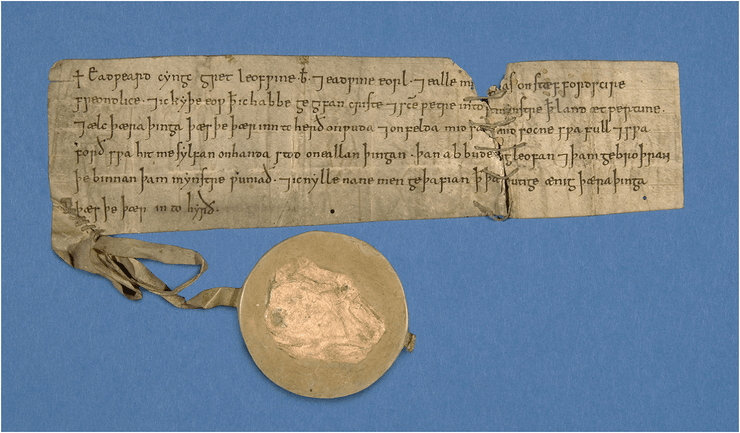
The seal also reflects the transition to a new administrative system—the spread of sealed charters combined legal power with effective governance. This contributed to the standardization of royal decrees and ensured their easy recognition throughout the country. Such practices brought England closer to the administrative structures that existed in other European states.
Edward the Confessor, who reigned from 1042 to 1066, was the last Anglo-Saxon ruler of the Wessex dynasty. His religious devotion and the combination of English and European traditions made him a prominent figure in the country’s history—Edward was later canonized as a saint.
The discovery of this seal opens new opportunities for studying the early English monarchy and demonstrates how even small artifacts can reshape our understanding of power, identity, and governance in medieval Europe.