

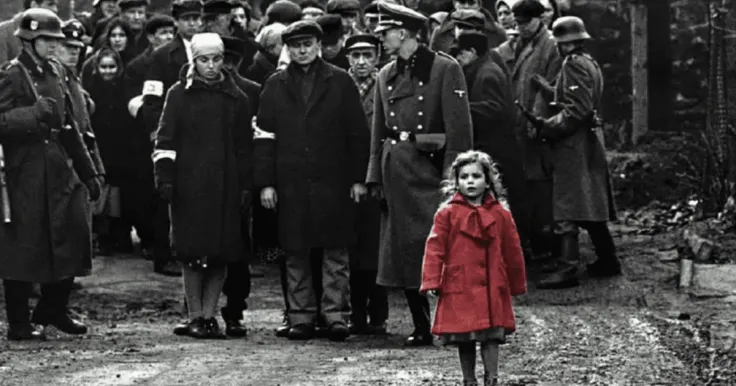
Oskar Schindler was a German businessman who saved the lives of nearly 1,200 Jews during World War II by providing them with jobs in his factories in Poland and the Czech Republic. His heroic story became the basis for the book ‘Schindler’s Ark’ and the famous film ‘Schindler’s List.’
This is reported by Finway
Biography of Oskar Schindler: the path to heroism
Oskar Schindler was born on April 28, 1908, in Zwittau, which was then part of Austria-Hungary (now the Czech Republic). He was raised in a family of entrepreneurs, but his youth was marked by instability—he frequently changed jobs, engaged in various businesses, and was drawn to luxury and risk. By the late 1930s, Schindler joined the Nazi Party and collaborated with intelligence.
With the onset of the war, he moved to occupied Krakow, where he purchased an enamelware factory. Initially, his motivations were purely financial: utilizing cheap labor from Jews in the ghetto and fulfilling military contracts. However, as he witnessed the atrocities committed by the Nazis, particularly during the liquidation of the Krakow ghetto, his views changed dramatically.
‘Schindler’s List’ and the rescue of Jewish workers
Together with accountant Itzhak Stern, Schindler compiled a list of Jewish workers he officially allowed to remain employed at the factory. These individuals received better working conditions and were saved from deportation to concentration camps. Overall, he managed to save about 1,100 to 1,200 Jews. To achieve this, Schindler spent all his money bribing SS officers, protecting workers, risking his own freedom and life. By the end of the war, he had effectively lost all his possessions.
‘Oskar Schindler was a German industrialist who saved nearly 1,200 Jews during the Holocaust by providing them with jobs in his factories in Poland and the Czech Republic. His story later became the basis for the book “Schindler’s Ark” and the film “Schindler’s List”‘
After the defeat of Nazi Germany, Schindler fled westward, trying to avoid persecution due to his party membership. Thanks to the testimonies of the rescued Jews, he was exonerated. Later, he attempted to engage in business in Germany and Argentina, but without significant success. Oskar Schindler died on October 9, 1974, and was buried in Jerusalem—this is the only place outside of Europe where a former member of the Nazi Party has been honored in such a way.
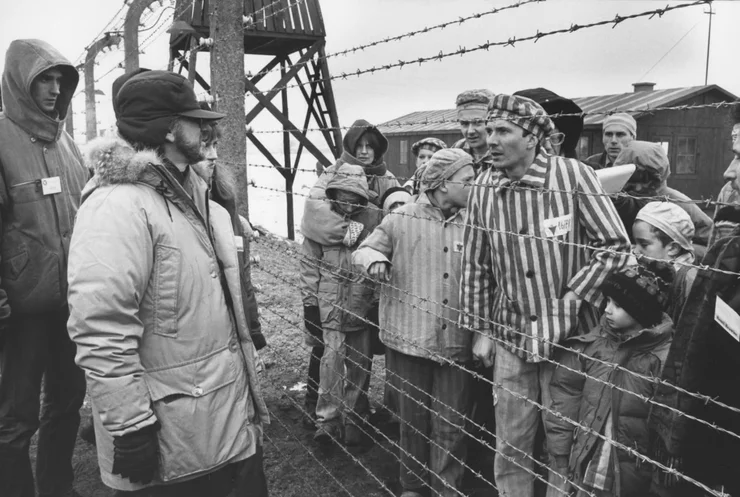
In 1963, Oskar Schindler was awarded the honorary title of “Righteous Among the Nations”—one of the highest honors for non-Jews who saved Jews during the Holocaust.
Cinematic embodiment of the feat
The story of Schindler was reflected in Steven Spielberg’s film ‘Schindler’s List,’ which became one of the most significant cinematic works. In 1993, the film won seven Academy Awards, including Best Picture, Adapted Screenplay, Cinematography, Art Direction, Editing, and Original Score. The lead roles were played by Liam Neeson and Ralph Fiennes, and the film received numerous positive reviews and recognition.
The story of Oskar Schindler remains a symbol of courage, humanity, and moral choice even in the most challenging conditions of war.