

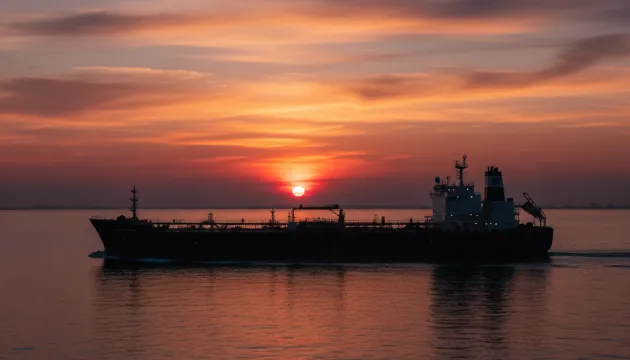
Two tankers carrying liquefied natural gas (LNG) and a supertanker with Iraqi crude oil have resumed transit through the Strait of Hormuz after a prolonged halt caused by military conflict in the region. The vessels are heading to Pakistan and China, concluding nearly a three-month delay related to the blockage of this strategic maritime route.
This is reported by Finway
Impact of the war on shipping through the Strait of Hormuz
Military actions between the USA, Israel, and Iran, which began on February 28, have significantly restricted movement through the Strait of Hormuz — a key waterway through which about 20% of the world’s oil and LNG supplies pass. The restrictions forced vessels to adhere to special routes designated by Iran and resulted in a substantial decrease in the number of transits through the strait.
Routes and cargoes of the tankers
According to companies LSEG and Kpler, the LNG tanker “Fuwairit,” flagged in the Bahamas, crossed the Strait of Hormuz on Monday and is expected to unload gas in Pakistan by Tuesday. This vessel was loaded at the Qatari port of Ras Laffan at the end of March.
Another tanker, “Al Rayyan,” also passed through the strait and is heading to China, where unloading is scheduled for June 27. It was also loaded at the port of Ras Laffan and was last recorded in the Persian Gulf on May 22.
The supertanker “Eagle Verona,” which left the Strait of Hormuz last Saturday, is expected to arrive at the Chinese port of Ningbo on June 12. This vessel, flagged in Singapore and chartered by Unipec — the trading arm of Sinopec, is transporting nearly 2 million barrels of Basrah crude oil, loaded back on February 26.
“Eagle Verona” was among seven vessels for which Malaysia requested permission from Iran for transit. Since then, five vessels have left the waterway, while two remain in the Persian Gulf.
Before the outbreak of hostilities, the average daily number of transits through the Strait of Hormuz reached 125–140 vessels. The resumption of tanker movement indicates a partial easing of the blockade and a gradual return to standard logistics routes.
According to recent reports, the USA and Iran are close to reaching an agreement to extend the ceasefire for 60 days, which includes reopening the strait for shipping, allowing Iran to sell oil, and starting negotiations on limiting Iran’s nuclear program.