

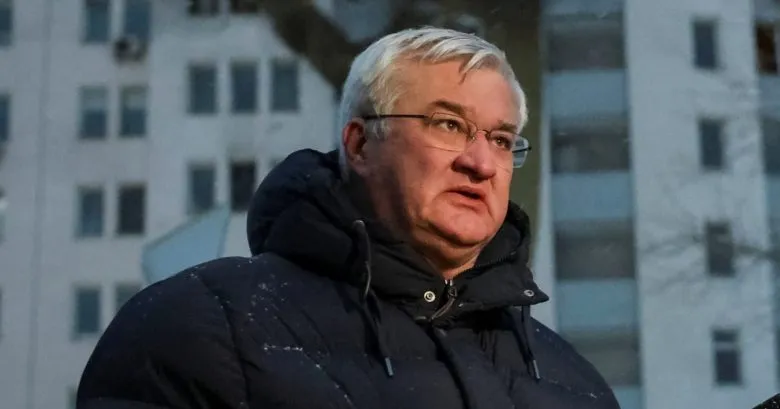
As a result of the Russian attack on March 24, the central part of Lviv, which is listed as a UNESCO World Heritage site, suffered significant damage. Foreign Minister Andriy Sybiha highlighted this event, urging UNESCO and the international community to respond immediately.
This is reported by Finway
Damage to Cultural Heritage and Impact on Civilians
Andriy Sybiha emphasized that Russia struck a city that is a symbol of cultural heritage and holds special value for the entire world. He stressed the need for a clear position from UNESCO regarding this crime and stated that Ukraine would use all possible mechanisms to protect its cultural heritage and hold those responsible accountable. Not only the historic center of Lviv was hit, but also residential areas. According to official information, at least 13 people are in hospitals, and the number of injured is rising.
Maxim Kozytskyi, head of the Lviv Regional State Administration, clarified that during the attack, a national architectural monument—the Bernardine Monastery Ensemble—was damaged.
Scale of Attacks and Qualification of Russia’s Actions
On the same day, Russian forces launched strikes on other Ukrainian cities, including Ternopil, Vinnytsia, Ivano-Frankivsk, Zhytomyr, Zaporizhzhia, and Dnipro, causing damage to civilian infrastructure and resulting in casualties among the civilian population. The occupiers used various types of weaponry—strike drones, missiles, aerial bombs, and multiple rocket launch systems.
“Russia has brutally struck the central part of Lviv—a city of exceptional cultural value and a UNESCO World Heritage site. Damage has been inflicted on a UNESCO World Heritage site. I call on the Director-General of UNESCO to respond immediately to this crime and take a clear stance,” he wrote on his social media.
The Ukrainian authorities and international organizations regard the massive strikes on cities as war crimes and acts that bear the characteristics of genocide. Systematic shelling of life-support systems, medical facilities, energy infrastructure, and other critical sites is aimed at depriving the population of basic living conditions. Experts and human rights defenders emphasize that such actions meet the definition of genocide as enshrined in the Convention on the Prevention and Punishment of the Crime of Genocide adopted by the UN in 1948.
According to this Convention, participating countries have an obligation to prevent such crimes and punish those responsible, regardless of whether they occur during wartime or peacetime. Genocide is defined as acts aimed at the complete or partial destruction of a national, ethnic, racial, or religious group. Indicators of genocide include killings, causing serious bodily harm, creating conditions incompatible with life, forced deportation, and public calls for the destruction of a particular population group.
The leadership of the Russian Federation denies the facts of targeted attacks on civilian objects; however, regular attacks on cities and villages in Ukraine, the destruction of hospitals, schools, energy, and water supply facilities testify to the contrary.