

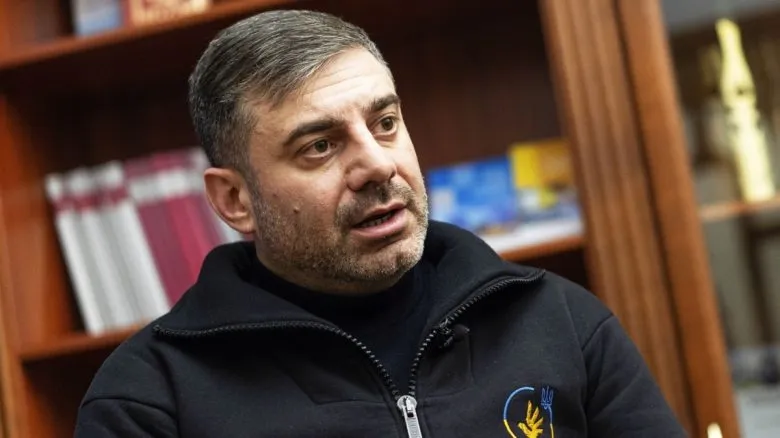
The Commissioner of the Verkhovna Rada for Human Rights, Dmytro Lubinets, commented on April 7 regarding the government’s measures to regulate drug prices. He noted that ensuring access to medical products during martial law is one of the priorities for protecting human rights.
This is reported by Finway
Lubinets stated that Cabinet of Ministers Resolution No. 168, which provides for a reduction in drug prices, is a “logical step” in response to the growing social demand for regulating the pharmaceutical market. The Ombudsman referred to data from the Ministry of Health indicating that regulation has allowed for price reductions on over 100 medications, with more than 200 others awaiting adjustment.
“It is regrettable because some aspects raise concerns. For example, in the absence of compensatory mechanisms, there is a risk that some pharmacy establishments, especially in small towns, may lose their economic viability. This poses a real threat to the reduction of the pharmacy network in remote regions—where access to medical services is already limited,” he stated.
Lubinets explained that the new resolution introduces maximum markup levels and expands state control over drug prices. A ban on marketing payments from manufacturers to pharmacies has also been implemented, which had been an important source of income for many pharmacies, particularly small ones. The Ombudsman noted that “all economic losses, including rising energy and logistics costs, must be covered by the business itself.”
He also emphasized that socially significant reforms should be based on the principle of proportionality between the goals of state regulation and the actual capabilities of market participants. Lubinets stressed that the right to access medications is not limited to just price but also includes geographical and physical accessibility of pharmacies, the range of necessary products, safety, and quality of service.
The Ombudsman has reached out to the Ministry of Health and the State Regulatory Service with “appropriate inquiries” regarding the assessment of the implementation of Resolution No. 168, stating: “We expect a balanced state policy that will allow for both price reductions and the support of the infrastructure that ensures this right.”
Recall that in February, Ukrainian Prime Minister Denys Shmyhal announced a 30% reduction in wholesale prices for the 100 most popular medications starting March 1. The Ministry of Health also confirmed the readiness of Ukrainian manufacturers to lower prices on certain medications in the near future.