

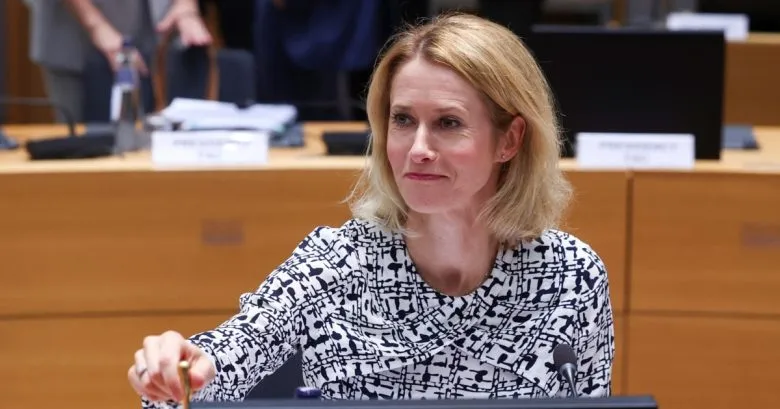
The issue of frozen Russian assets has become a key topic on the agenda of the meeting of European Union foreign ministers in the “Gymnich” format, taking place in Copenhagen. This was reported by the EU’s foreign policy representative Kaja Kallas.
This is reported by Finway
Discussion on the fate of Russian assets
According to Kallas, the meeting is informal and does not involve making final decisions. However, among the main topics are Russia’s war against Ukraine and the fate of frozen Russian assets. Diplomats plan to thoroughly examine the advantages and disadvantages of various approaches to using these funds, as well as the potential risks for the EU.
“We see that Russia does not want peace, although many diplomatic efforts are being made to bring Zelensky and Russia to the negotiating table.”
Kallas emphasized that the issue of returning assets to the Russian Federation after a possible peace agreement is not on the agenda if Moscow does not pay reparations to Ukraine. She highlighted the importance of developing a clear strategy regarding the future of these funds.
Using profits to support Ukraine
Part of the profits from frozen Russian assets is already being directed to assist Ukraine. In August, Ukraine received 1 billion euros through the Extraordinary Revenue Acceleration (ERA) instrument initiated by the G7 countries. Thanks to this mechanism, Ukraine could receive about 50 billion dollars in the form of loans secured by revenues from frozen Russian assets. These funds will be used to support the state budget, finance military needs, and restore infrastructure.
President Volodymyr Zelensky addressed the participants of the Ukraine Recovery Conference in July, urging them to use not only the interest but also the frozen Russian assets themselves to assist our state.