

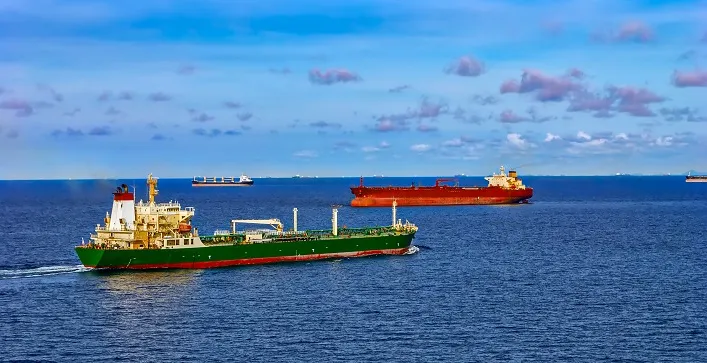
In September 2025, Turkey significantly reduced its imports of Urals oil from Russia – the figure dropped to approximately 1.2 million tons, marking the lowest level since April. The main reasons for this decline were intensified competition among suppliers and growing concerns over Western sanctions. President Donald Trump’s calls for NATO countries to limit purchases of Russian oil also had an impact. In comparison, in June and July, Turkey imported about 1.6 million tons of this raw material.
This is reported by Finway
Turkey Signs New Gas Contracts with the US and Europe
On the eve of key negotiations between Turkish President Recep Tayyip Erdoğan and Donald Trump, an agreement was reached between the Turkish state company BOTAŞ and the international group Mercuria for long-term liquefied natural gas supply. The contract stipulates the delivery of approximately 4 billion cubic meters of gas annually for 20 years, starting from 2026. The gas will come from both terminals in the US and from European and North African ports.
“Trump stated that he expects Turkey to completely halt imports of Russian oil, as this could help stop the war in Ukraine.”
Europe Continues to Purchase Russian Energy Resources
At the same time, European Union countries, despite the prolonged war, spend over €1 billion each month on the purchase of Russian oil and gas. Countries such as Hungary and Slovakia continue to receive crude oil from Russia via the Druzhba pipeline. Hungarian Prime Minister Viktor Orbán publicly rejected US pressure to reduce purchases of Russian energy resources after a phone call with Trump, emphasizing that this would “ruin the country’s economy” and could lead to a 4% drop in GDP. Slovakia has voiced a similar position.
Over the past year, the largest importers of Russian gas have included not only Slovakia (1.8 million tons) and Hungary (4.4 million tons) but also Spain (3.3 million tons), Belgium (3.8 million tons), and France (6.7 million tons). Following Russia’s invasion of Ukraine, the United Kingdom imported approximately £3 billion worth of petroleum products, mostly aviation fuel from India and Turkey, which was produced from Russian oil. Thus, around £510 million indirectly reached the Kremlin’s budget.
Against this backdrop, Kyiv has expressed its readiness to assist Slovakia and Hungary in securing alternative supplies of oil and gas.