

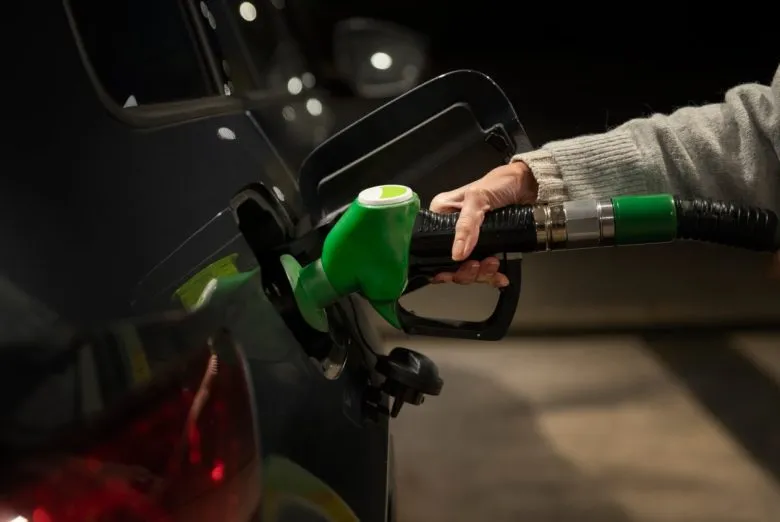
The global oil market is facing an unprecedented crisis due to the war in the Middle East, which has caused significant disruptions in energy supply. Oil prices have surpassed $100 per barrel, intensifying pressure on the economies of many countries and highlighting the urgent need for measures to stabilize the situation.
This is reported by Finway
Causes of the Shortage and IEA’s Response
According to the International Energy Agency (IEA) report, the main cause of the current instability is the sharp reduction in shipping through the Strait of Hormuz. This maritime route transports about 20 million barrels of oil daily, accounting for one-fifth of global demand. The blockage of the strait has led not only to a shortage of crude oil but also to a significant increase in the prices of diesel fuel, aviation fuel, and liquefied petroleum gas (LPG).
To alleviate market pressure, IEA member countries decided to release 400 million barrels of oil from strategic reserves, marking the largest such move in the agency’s history. However, as emphasized by IEA Executive Director Fatih Birol, this is insufficient to compensate for the losses – a comprehensive reduction in global oil demand is necessary.
“IEA member countries must take additional measures to reduce demand to avoid further price escalation and ensure the functioning of critical sectors.”
10 Key Steps to Reduce Fuel Consumption
The IEA has developed a list of ten recommendations aimed at reducing fuel usage and optimizing expenditures across various sectors of the economy:
- Expand remote work. The mass transition of employees to remote work significantly reduces fuel expenses for daily commutes.
- Limit speed limits. Lowering the speed limit on highways by 10 km/h decreases fuel consumption in both passenger and freight transport.
- Enhance freight efficiency. Optimizing the technical condition of commercial transport and more rational loading contribute to diesel savings.
- Promote carpooling. Increasing the number of passengers in vehicles and adhering to eco-driving principles yield quick financial benefits.
- Encourage public transport. Shifting from personal vehicles to buses and trains reduces overall fuel consumption.
- Implement traffic restrictions in cities. Introducing a system of rotational access for private cars based on license plates reduces the burden on transport infrastructure.
- Reduce business flights. Using alternative modes of transport for business trips quickly lowers demand for aviation fuel.
- Rational use of LPG. Temporarily transitioning vehicles from gas installations to gasoline allows for the preservation of liquefied gas for critical sectors, especially in vulnerable regions.
- Utilize modern electrical appliances at home. Using electric stoves instead of gas ones contributes to fuel savings in households.
- Modernize industry. Implementing energy-efficient technologies and replacing oil feedstock ensure additional reductions in oil consumption in production.
IEA experts emphasize that the widespread implementation of these steps will not only help reduce the shortage but also preserve fuel reserves to support critical infrastructure until stable supplies are restored.
At the same time, it has been reported that gasoline imports to Ukraine have increased by 18%, allowing for the creation of a strategic fuel reserve in case of further fluctuations in the global market.