

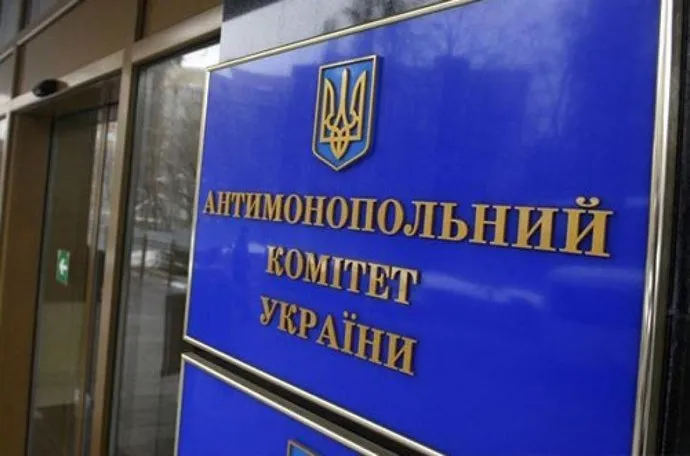
The Head of the Antimonopoly Committee of Ukraine, Pavlo Kyrylenko, is scheduled to speak in the Verkhovna Rada tomorrow regarding the situation in the fuel market. This decision was made by the members of parliament during the latest plenary session.
This is reported by Finway
Reasons for the Sharp Increase in Fuel Prices
The initiative to invite the head of the Antimonopoly Committee was proposed by Member of Parliament Oleksiy Honcharenko, who emphasized the need to obtain clarification on the reasons that led to the significant rise in fuel prices in Ukraine. In particular, he was interested in questions about why prices at gas stations have increased more than in European countries, and why such an increase occurred in a short period of time.
“I propose to summon the head of the Antimonopoly Committee, Pavlo Kyrylenko, to the Verkhovna Rada tomorrow at 12:00 so that he can report to us what is happening, why there are such prices at gas stations, why the price of fuel in Ukraine has risen significantly more than in European countries, and why it increased in just one day,” said the initiator of the summons, Member of Parliament Oleksiy Honcharenko.
Actions of the Antimonopoly Committee Regarding the Gas Station Market
During the session, 156 parliamentarians supported the proposal, which is a sufficient number of votes for its adoption. Earlier, on March 5, the Antimonopoly Committee appealed to the network of gas stations, demanding explanations for the increase in the cost of petroleum products and liquefied gas within three days. The Committee also announced its intention to investigate possible signs of collusion or coordinated actions among gas station market operators.
The Antimonopoly Committee emphasized that if violations in fuel price formation are detected, gas station networks may face fines of up to 10% of the revenue of each business entity for the previous reporting period, which for the current consideration means the year 2025.