

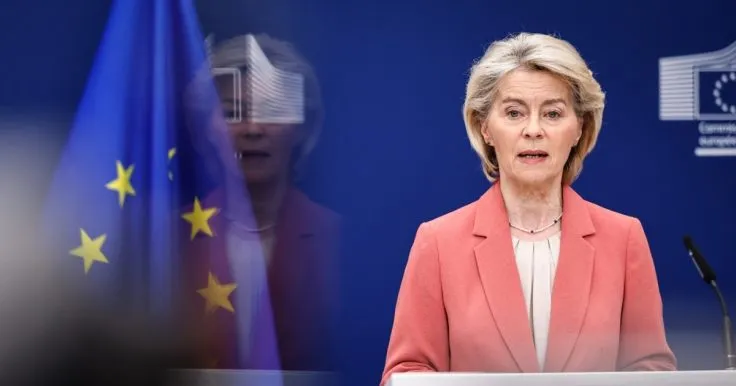
The European Union is forced to pay significantly more for energy resources due to the escalation of the situation in the Middle East. As stated by the President of the European Commission Ursula von der Leyen during a conversation with journalists in Berlin, since the beginning of the crisis, the EU has spent an additional 27 billion euros on energy purchases without receiving any new energy capacities in return.
This is reported by Finway
The need to reduce energy dependence
The head of the European Commission emphasized that excessive dependence on fossil fuel imports makes the EU vulnerable to external shocks. She highlighted the importance of reducing energy dependence and developing domestic energy sources within Europe, particularly cheaper and more environmentally friendly options.
“It is important to realize that our significant dependence on imported fossil energy makes us vulnerable. One figure (27 billion euros – ed.) illustrates this… These dependencies need to be reduced. Instead, we must develop cheaper energy that we produce here in Europe,” the head of the European Commission stressed.
European solutions and new technologies
Von der Leyen cited the example of Scandinavian countries, which are actively implementing renewable energy sources and developing nuclear energy. She emphasized that energy produced in Europe is less harmful to the environment, and nuclear energy provides the necessary baseload. The official paid special attention to the prospects of new small modular reactors, which could change the energy landscape.
According to von der Leyen, the availability of energy resources is a key factor in maintaining Europe’s competitiveness in the global market.
The current situation is complicated by Iran’s blockade of the Strait of Hormuz, through which about 20% of global oil trade passes. This has led to a sharp increase in energy prices and a weakening of confidence in maritime transport routes.
In response to these challenges, the United Kingdom and France have initiated negotiations with over 30 countries to form a defense coalition. The goal is to ensure the security of shipping in the strait and conduct mine-clearing operations to restore stability in energy supply.