

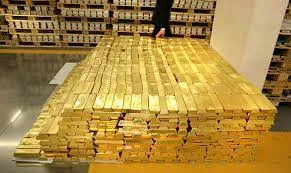
On Friday, January 23, the global precious metals market recorded a historic surge: the price of gold reached nearly $5000 per ounce, marking a historical high. Significant increases were also noted for silver, platinum, and other precious metals.
This is reported by Finway
Price Increases in Metals Linked to Strengthening Demand
The price of gold rose to $4967 per ounce, with this asset gaining nearly 8% over the week. The primary factor behind this increase was a sharp decline in the dollar’s value, which is currently experiencing its worst week in the last seven months. The weakening dollar has made precious metals more attractive to investors in various countries around the world.
Silver set a new record, reaching nearly $100 per ounce. Platinum increased to a historical high of $2690.08, adding 0.4% in a day. Meanwhile, palladium showed a decline. According to the latest data, the price of gold rose by 0.3%, while silver increased by 2.6% (to $98.70). The Bloomberg dollar index remained almost unchanged after a previous significant drop.
Gold as a Safe-Haven Asset Amid Global Risks
“Gold is undergoing constant revaluation as cracks appear in the post-World War II rules-based order. Investors are increasingly viewing gold as a reliable hedge against these difficult-to-quantify regime change risks,” analysts explained.
Analysts emphasize that more and more investors are choosing gold as a safe-haven asset, considering the rise in geopolitical and financial risks. Following a record annual increase not seen since 1979, the value of bullion has increased by approximately 15% at the beginning of this year.
Additional pressure on financial markets is being exerted by statements from U.S. President Donald Trump regarding Federal Reserve policy, as well as the escalation of the situation surrounding Venezuela and Greenland.
In response to these trends, analysts at Goldman Sachs have raised their gold price forecast for the end of the year to $5400 per ounce, anticipating increased demand from private investors and central banks.