

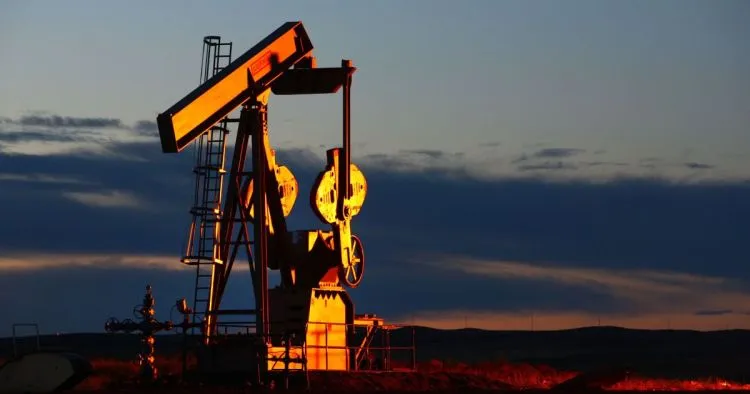
The first day of winter was marked by a rise in global oil prices. Experts note that the market is experiencing heightened tension due to a number of factors, including attacks on energy infrastructure and political decisions by key players.
This is reported by Finway
Reasons for the Surge in Oil Prices
In the morning, the price of Brent crude oil rose by $1.21, reaching $63.59 per barrel, while American WTI increased to $59.76 per barrel. According to the Investing portal, the quotes exceeded weekly highs.
The main factor behind the increase was the halt of oil exports by the Caspian Pipeline Consortium. The consortium, owned by Russia, Kazakhstan, and the USA, announced a cessation of operations following damage to the dock at the port of Novorossiysk on the Black Sea. The cause was an attack by Ukrainian drones. Officially, there has been no report of a new attack on this strategic facility, but information about the damage has already affected the market.
Political Decisions and New Risks for the Market
Additional pressure on rising prices came from OPEC+’s decision to maintain oil production quotas in the first quarter of 2026. At the beginning of November, the organization decided not to increase quotas due to concerns about oversupply, and on November 30, this decision was confirmed.
Another factor was U.S. President Donald Trump’s statement regarding the closure of airspace over and around Venezuela. Venezuela remains one of the key oil producers, so such uncertainty has raised concerns among traders about future supplies of the raw material. The American leader did not specify the details of his decision.
“Risks to supplies are increasing following additional attacks by Ukraine on Russian energy infrastructure and escalating tensions between the USA and Venezuela,” analysts at ING emphasized.
Furthermore, Ukrainian military officials reported on social media about a new strike on a Russian oil refinery. All these factors combined create a nervous atmosphere in the market and increase the price of oil.