

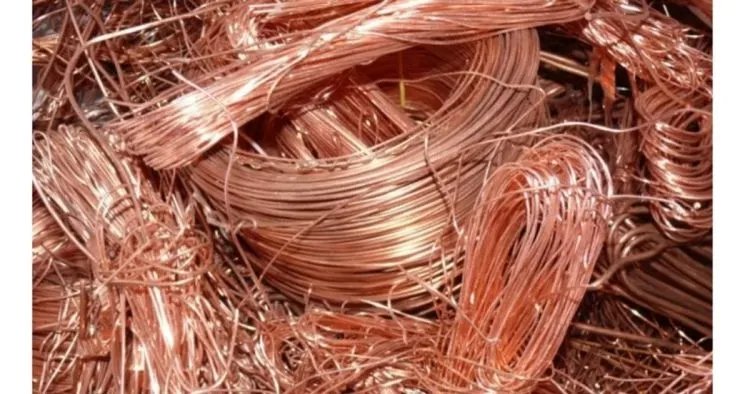
The price of copper is showing significant increases, remaining near historical highs reached earlier this week. Analysts cite speculation in the market, fueled by expectations of a potential metal shortage, as the main reason for the price rise, along with the redirection of large volumes of copper to the United States in anticipation of the imposition of import tariffs.
This is reported by Finway
Supply Issues and Price Dynamics
Throughout this year, the copper market has been affected by serious disruptions in mining operations across various countries—from Indonesia to Chile and the Democratic Republic of Congo. These factors have raised concerns about the stability of global supplies, prompting investors to engage more actively in metal trading. Chinese metallurgical plants and mining companies are currently engaged in complex negotiations regarding copper supplies for 2026, which also impacts the overall market situation.
Investor Expectations and the Impact of Macroeconomic Factors
After reaching a new record high on December 1, copper prices slightly corrected but soon rose again alongside other industrial metals. The increases in recent weeks are largely attributed to speculative sentiment amid anticipated changes in import regulations and concerns about further supply disruptions. Investors are closely monitoring the release of important economic data from the United States—specifically, reports on private sector employment, import prices, and industrial production trends, which could influence future price movements.
As of 16:10 Shanghai time, the price of copper has risen by 1% to reach $11,257 per ton. Year-on-year, the increase is approximately 28%. The cost of one kilogram of metal currently stands at $11.25.
Copper has fluctuated around the record high reached earlier this week. Concerns regarding global supplies have supported investor interest in the metal.