

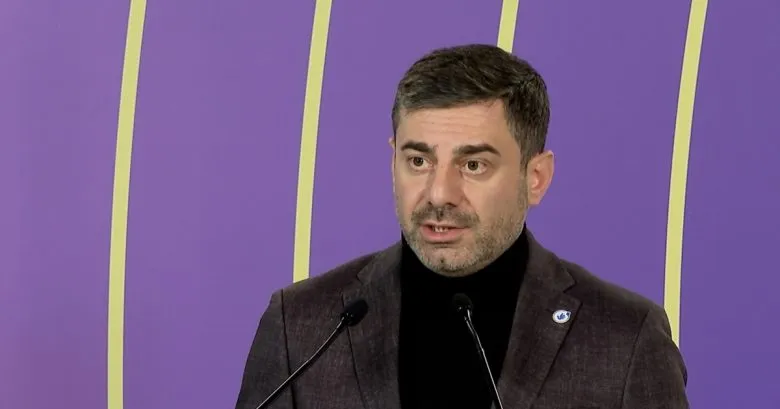
Among the 182 individuals that Ukraine returned from captivity during the exchange on April 11, there were seven civilians. This was reported by the Commissioner of the Verkhovna Rada for Human Rights, Dmytro Lubinets, who emphasized that these individuals became victims of illegal detention by Russian occupiers.
This is reported by Finway
Conditions of Detention and State of the Released
Lubinets noted that Russian military personnel essentially kidnapped civilians without any legal grounds, holding them in captivity without trial or investigation. According to the ombudsman, the process of releasing such individuals was particularly complicated and required a separate negotiation track. A negotiation group from the Coordination Headquarters for the Treatment of Prisoners of War was involved in the talks, and humanitarian communication was also conducted with the Russian Commissioner for Human Rights, Tatyana Moskalkova.
“All of them were abducted from their own homes without any justification, detained at checkpoints. One Ukrainian was kidnapped while heading to his father. Those returned home are in a severe psychological state, suffering from injuries and illnesses. In particular, one of the released individuals is in critical health condition: he has a traumatic brain injury, internal organ contusions, and burned skin from torture,” Lubinets reported.
The released civilians are mostly young men born in the 2000s, who were illegally abducted from Kharkiv, Kyiv, Kherson, and Donetsk regions and had been held since 2022. Many of them have experienced serious physical and psychological suffering, and some now require urgent medical assistance.
Violations of International Law and Organization of Exchanges
The Commissioner of the Verkhovna Rada for Human Rights emphasized that Russia’s actions are a direct violation of the Geneva Convention on the Protection of Civilian Persons in Time of War. The Coordination Headquarters for the Treatment of Prisoners of War also clarified that most of the released individuals, both military and civilian, had been in captivity since 2022. This time, it was possible to return 25 officers whom the Russian side had previously refused to exchange.
The majority of the released military personnel were captured while defending Mariupol, and also included servicemen of the National Guard who were captured during the occupation of Chernobyl in the early days of the full-scale invasion. The ages of the released individuals range from 22 to 63 years.
The organizers of the exchange expressed gratitude to the United States of America and the United Arab Emirates for their support in conducting this humanitarian operation.
Earlier, the head of the President’s Office, Kyrylo Budanov, emphasized that organizing each exchange requires months of complex negotiations and close cooperation with international partners. President of Ukraine Volodymyr Zelensky noted that over four years of the Coordination Headquarters’ work, 8,669 Ukrainians—both military and civilian—have been returned home.