

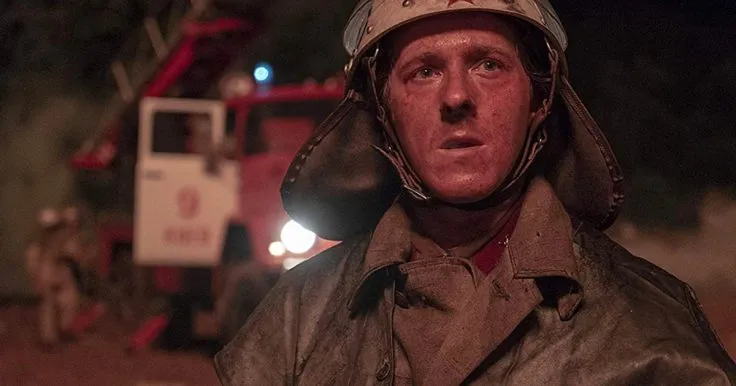
The Chernobyl disaster, which occurred over 40 years ago, remains one of the largest ecological and medical tragedies of modern times. Despite many perceiving this event as part of the past, its consequences are still felt by thousands of Ukrainians — liquidators, evacuees, and those who were exposed to radiation and are forced to live with its effects.
This is reported by Finway
Health and Social Protection for Victims
People affected by the Chernobyl disaster face chronic illnesses, oncological diseases, and immune system problems. It is important to understand that radiation has a long-lasting and delayed impact, so the need for treatment and medical support for these patients remains relevant throughout their lives. However, over the years, attention to the issues faced by Chernobyl victims has gradually diminished, and specialized treatment programs and funding are often reduced. This leads to many individuals being left without the necessary medical and social support.
“Chernobyl victims are not just a page in history. They are our patients today.”
Current Challenges: War and Underestimated Risks
In the context of war, the issue of Chernobyl takes a back seat, although the problem remains relevant. Those affected by the Chernobyl disaster still require quality healthcare, social protection, psychological and material support. Often, funding for relevant programs is done on a residual basis, and systemic assistance is replaced by formal mentions during the anniversaries of the tragedy.
In addition to medical aspects, the ecological factor remains important. Chernobyl vividly demonstrated how vulnerable humans are to man-made disasters and how long nature “remembers” their impact. In the current war conditions, where critical facilities are once again under threat, these lessons take on particular significance.
Medicine deals with the consequences of the tragedy, but the responsibility of society and the state is to act proactively to prevent such disasters from recurring. The memory of Chernobyl should manifest in concrete actions: ensuring a decent standard of living for the affected, access to treatment, support, and care, rather than just formal mentions once a year.
40 years after the disaster is a sufficient period for conclusions. However, true responsibility lies in the ongoing support for those who still suffer from the consequences of the Chernobyl tragedy.