

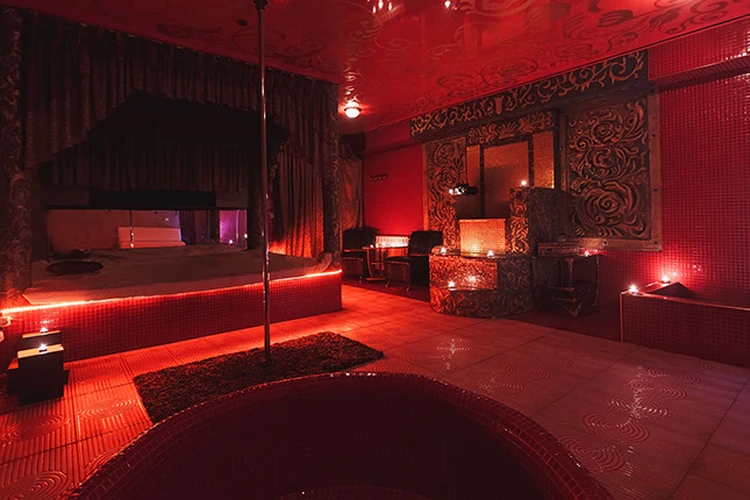
The development of the intimate massage industry continues to gain momentum in Europe. One of the most striking examples is the Fenix erotic massage salon in Prague https://prague-fenix.cz/ — a project that has quickly established itself as one of the leaders in the Czech Republic. Such establishments demonstrate a sustainable business model in a highly competitive environment.
The transition from taboo to business
The reputation of adult massage parlors is gradually moving away from the image of a shadow segment. The former association with marginality is losing its power, giving way to the perception of an institution with a transparent structure, well-thought-out architecture, visual neutrality, and correct positioning. Venues with clear management, aesthetic integrity, and compliance with service standards demonstrate a different standard — not spontaneous, but well-thought-out and focused on sustainability.
The emergence of a new business culture is based not on exoticism or the promise of the forbidden but on the creation of a special form of private experience in an atmosphere of trust, purity, and security. Increased attention to physical comfort, psychological relief, and controlled contact without obligations has created a steady demand. Guests come not for the service, but for the mood, returning not to the body but to the atmosphere. What arises is not a transaction, but a connection — soft, temporary, safe.
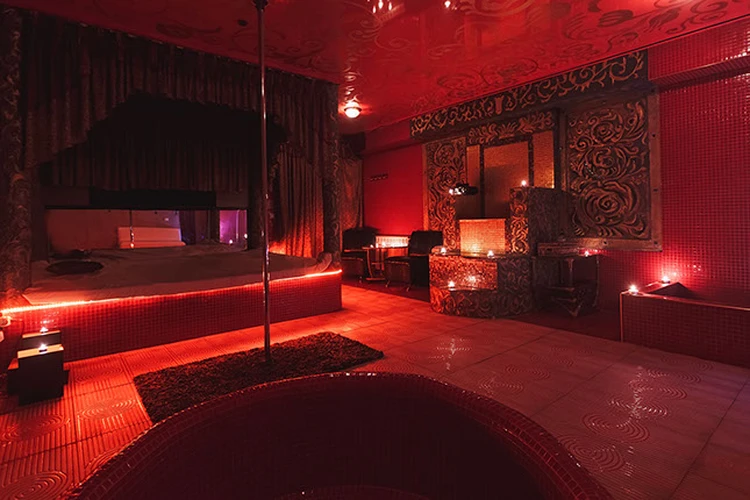
High traffic in urban agglomerations, the presence of a target audience with above-average purchasing power, compact formats, and quick payback all turn this niche into a potentially profitable area. The key to success is attention to detail.
However, external gloss cannot compensate for a weak management base. Without a clear distribution of roles, without internal ethical regulations, without a feedback system, and without continuous training of employees, the project loses its meaning. Fleeting benefits are no substitute for long-term sustainability.
Legal fields and sensitive areas
Despite its legality, the segment remains immersed in an environment with a high degree of legal ambiguity. Even with a permitted form of activity, difficulties arise, from differences in interpretation to local restrictions. One country allows certain formats, another restricts them, and a third refuses to take notice, creating a gray area.
The lack of a unified legal line creates an atmosphere of constant vulnerability. Inspections without explanation, arbitrary interpretations of the law, and vacillations between regulation and prohibition are part of the context. Business sustainability depends not only on the quality of service but also on the degree of legal protection.

The second vulnerability is personnel. Mass hiring, turnover, and informal forms of employment are a direct threat. A model with a low entry threshold attracts random people who are not ready for the requirements of the format. Lack of preparatory training, weak psychological stability, and misunderstanding of professional ethics lead to internal burnout, external complaints, and a decline in trust. Only by respecting boundaries and being willing to listen and understand can a space free from aggression and pressure be created.
Image, promotion, public perception
The niche remains sensitive to external evaluation. Any step outside the bounds of propriety is perceived as an attempt at manipulation. Classic marketing tools are losing their power. Aggressive advertising, sexualized images, and direct appeals are elements that work against the niche. Reputation is not built on banners but is born from within.
The central channel of promotion is recommendation. Direct human trust, live feedback, and a sense of inner peace are the foundation of loyalty. Presence on social media should be characterized by restrained aesthetic storytelling. Excessive activity arouses suspicion and lowers status.
The communication format should be respectful, meaningful, and relaxed. The visual style should be closer to boutiques than clubs. The tone should be closer to psychotherapy than entertainment.
It is this difference that separates a mature project from a spontaneous attempt to make money. Conscious distancing from clichés, a willingness to self-restrain, and an understanding of the importance of context are the foundation on which the trust of clients, partners, and society is built. However, investing in such a business model requires a mature approach. Ill-considered copying without understanding the nuances results in losses. Only with respect for boundaries, clear management, and flexibility in promotion is there a chance for sustainability and growth. The market is ready to accept those who act honestly and confidently.