

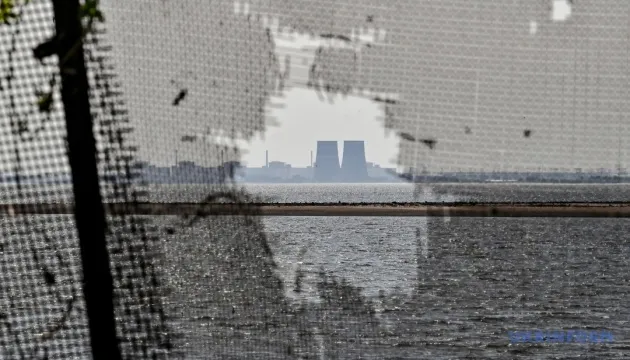
The Zaporizhzhia Nuclear Power Plant has been functioning exclusively on a single backup external power line for over two months. Since the disconnection of the main 750 kV line “Dniprovskaya” on March 24, the plant has been receiving power only through the 330 kV line “Ferroplavna-1”. During this period, the ZNPP has experienced three outages of external power supply, which poses significant risks to the stable operation of the facility.
This is reported by Finway
IAEA is negotiating to ensure safety
The International Atomic Energy Agency (IAEA) is initiating negotiations with Ukraine and the Russian Federation regarding a possible local ceasefire near the station to ensure safe repair work on the damaged lines. IAEA Director General Rafael Grossi emphasizes the need for immediate action to prevent serious incidents at the facility.
Threats to the operation of the station and personnel
According to reports from the IAEA team at the ZNPP, drone attacks have recently been recorded near the station and in the city of Enerhodar. During one of the attacks, up to 40 drones were reportedly used. Additionally, on Saturday, a drone with explosives fell near the turbine hall of the first power unit but did not detonate. IAEA representatives were unable to verify this incident as they learned about it only two days later, when the debris had already been removed.
Moreover, the agency was informed about communication disruptions at one of the off-site radiation monitoring stations, the reasons for which are currently being investigated. Additionally, during a visit to the External Radiation Control Laboratory (ECRL) at the ZNPP, the IAEA mission discovered damage to meteorological monitoring equipment.
IAEA experts working at Ukrainian nuclear facilities regularly report increased military activity near nuclear power plants and in cities where personnel reside.
“Attacks on personnel at nuclear power plants, wherever they occur, create unacceptable psychological pressure that can have serious consequences for nuclear safety and physical security. Such actions must not be tolerated under any circumstances. I once again call for maximum military restraint near nuclear facilities, wherever they may be,” Grossi stated.