

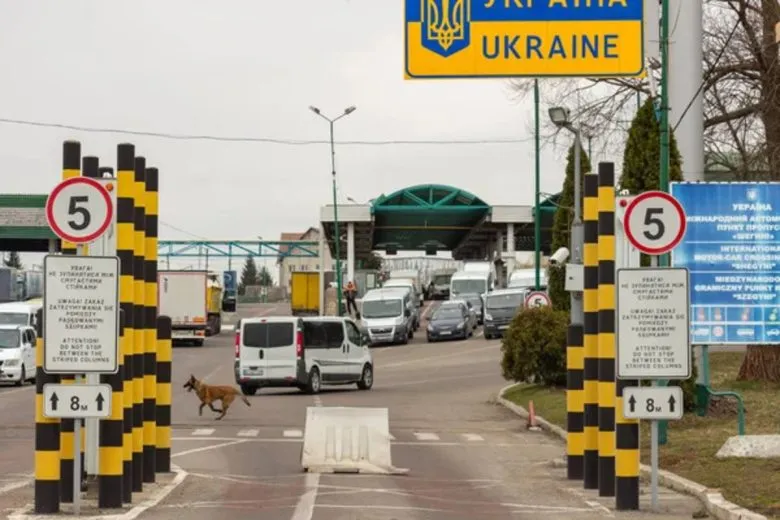
The Ministry of Community and Territorial Development of Ukraine has confirmed that a large-scale update of border infrastructure will continue in 2026. The key objective is to enhance the efficiency of international checkpoints in the western direction, which is strategically important for the transportation of goods and passengers.
This is reported by Finway
Reconstruction of Major Checkpoints
The modernization covers several important points: “Porubne – Siret”, “Luzhanka – Beregsurany”, and “Uzhhorod – Vysne Nemetske”. These crossings will see both an expansion of infrastructure capabilities and improvements in border crossing procedures. According to Deputy Prime Minister Oleksii Kuleba, the implementation of these projects is expected to increase capacity to approximately 1000 trucks and 3000 passenger cars daily.
“The implementation of these projects is expected to significantly increase border capacity – to approximately 1000 trucks and 3000 passenger cars daily.”
Construction of a New Corridor with Romania and Logistics Development
An important step is the construction of a new checkpoint “Bila Tserkva – Sighetu Marmației” on the border with Romania. In the first phase of the project, basic elements are already being created: access roads, land reinforcement, modern lighting, seven traffic lanes, and separate areas for vehicle inspections.
In addition, the development of auxiliary infrastructure is being carried out in parallel. Specifically, the opening of six service zones for vehicles is planned, which aims to optimize traffic flow, reduce queues, and provide better conditions for carriers.
The modernization of border facilities is taking place in partnership with the Recovery Agency and is part of a broader strategy for integrating Ukraine into the European transport network. The modern border is viewed as a foundation for strengthening exports, developing transit flows, and revitalizing the economy.
It is worth noting that in 2025, a new passenger checkpoint “Velyka Palad – Nadyhodosh” was opened on the Hungarian route, and repairs were completed on ten checkpoints, most of which are located on the border with Moldova.