

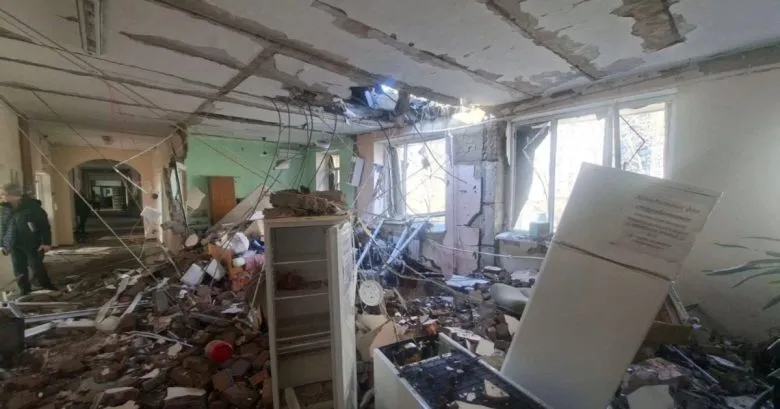
The number of fatalities from the night attack by the Russian Federation on Odesa, which occurred on March 28, has risen to three. This was reported by the head of the Odesa region, Oleg Kiper. According to him, a 76-year-old man who sustained serious injuries during the shelling has died in the medical facility. His condition had been assessed as critical from the outset.
This is reported by Finway
“A 76-year-old man who suffered severe injuries has died in the hospital. His condition remained extremely serious from the beginning. I express my sincere condolences to the family and friends of the deceased.”
Details of the night attack and the number of injured
According to Oleg Kiper, the number of fatalities has now risen to three. Another 14 people sustained injuries of varying severity, including a 9-year-old boy. Earlier reports indicated that 16 people were injured as a result of the strike on the city.
According to information from the Air Forces of the Armed Forces of Ukraine, the Russian army used 273 drones to attack Ukraine overnight, with Odesa being the main target of the strike this time.
Scale of destruction and qualification of Russia’s actions
Russian military forces systematically strike cities in Ukraine, using various types of weaponry: these include strike drones, ballistic and cruise missiles, guided aerial bombs, as well as rocket artillery. As a result of such actions, critical infrastructure facilities, including energy and water supply systems, hospitals, schools, and other institutions that provide basic needs for the civilian population, come under enemy fire.
Ukrainian authorities and international organizations regard these attacks as war crimes and emphasize their targeted nature. Shelling of life-support systems and medical facilities with the aim of depriving people of electricity, heat, water, communication, or medical assistance bears the hallmarks of genocidal actions.
It is noted that the leadership of the Russian Federation and its representatives have repeatedly made public statements about their intentions to destroy the Ukrainian nation as such, as well as pursue and eliminate individuals with pro-Ukrainian positions in temporarily occupied territories, deport children, and destroy Ukrainian culture.
It should be recalled that according to the definition of the Convention on the Prevention and Punishment of the Crime of Genocide, adopted by the UN General Assembly in 1948, genocide is considered to be actions aimed at the complete or partial destruction of a national, ethnic, racial, or religious group. Signs of genocide include the killing of members of the group, causing them serious bodily harm, creating conditions designed to destroy the group, as well as the forcible transfer of children and public incitement to such actions.
At the same time, the Russian authorities deny the facts of targeted strikes on civilian infrastructure in Ukraine and refuse to acknowledge responsibility for the deaths of civilians, the destruction of hospitals, schools, energy, and water supply facilities.