

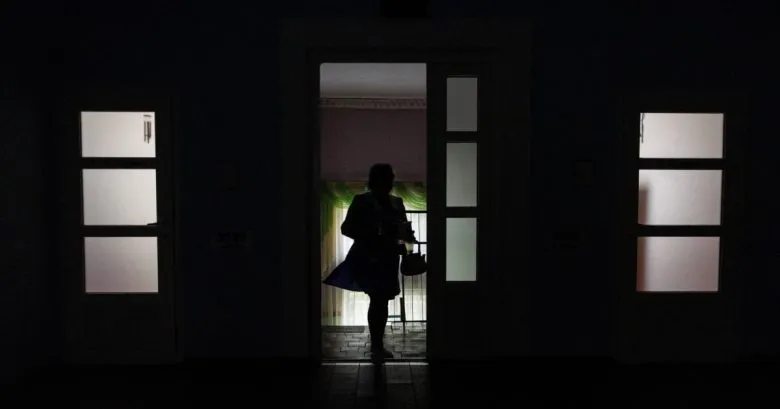
As a result of the morning attack by the Russian Federation on April 18, a key energy facility in the Nizhyn district of the Chernihiv region was severely damaged. According to the company “Chernihivoblenergo,” the consequences of the strike led to a widespread power outage in the region’s settlements.
This is reported by Finway
Extent of Damage and Power Supply Disruptions
The incident at the energy facility occurred around 4:00 AM. As a result of the damage, 380,000 consumers in the cities of Chernihiv, Pryluky, Nizhyn, Slavutych, as well as in the Chernihiv, Nizhyn, and Pryluky districts were left without electricity. Later, the company clarified that in Chernihiv itself, power was out in 25,000 households. To stabilize the situation, the regional energy company implemented hourly power outages across the region.
“At 4:00 AM, due to the enemy attack, an important energy facility in the Nizhyn district was damaged. 380,000 subscribers in the cities of Chernihiv, Pryluky, Nizhyn, Slavutych, and the Chernihiv, Nizhyn, and Pryluky districts are without power.”
Situation in the Region’s and Country’s Energy Sector
On the eve of this incident, due to missile strikes from Russia, the Chernihiv thermal power plant was also forced to temporarily suspend operations. Since the beginning of the full-scale invasion in February 2022, the Russian Federation has systematically attacked Ukraine’s energy infrastructure, leading to regular power supply disruptions. Since the autumn of 2025, attacks on energy facilities have intensified, resulting in power outage schedules in many regions. With the arrival of spring and an increase in electricity production at solar power plants, some restrictions were partially lifted.
Ukrainian President Volodymyr Zelensky emphasized in March that Russian forces continue their attempts to destabilize the Ukrainian energy system. Due to Russia’s attacks, the gap between generated electricity and the population’s needs remains significant, complicating the restoration of stable power supply in the regions.