

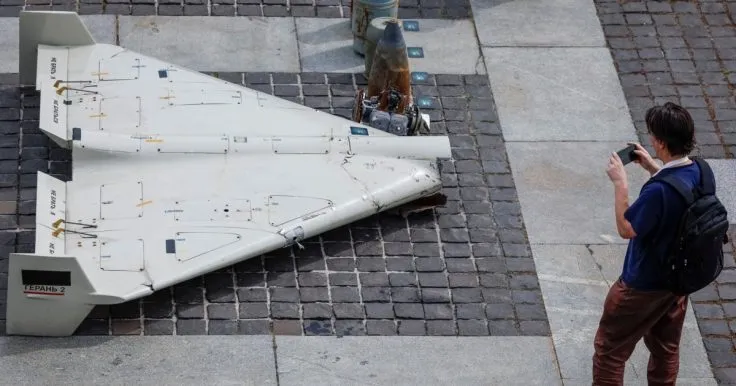
On the night of June 4, Russia carried out a large-scale assault on Ukraine, using the Iskander-M ballistic missile and 293 drones of various types, including Shahed, Gerbera, Italmas, loitering munitions Bandero and imitation drones Parody. According to the Air Force of the Armed Forces of Ukraine, the attack lasted all night and covered various regions of the country.
This is reported by Finway
Impact on civilian infrastructure and scale of destruction
As of 8 a.m. on June 4, Ukraine’s air defense systems managed to destroy or suppress 264 drones over the northern, southern, and eastern territories of the country. However, some drones and the missile reached their targets: hits from the ballistic missile and 24 strike UAVs were recorded at 11 locations, and debris from the downed aircraft fell on another 12 sites.
“Hits from the ballistic missile and 24 strike UAVs were recorded at 11 locations, as well as debris from downed (wreckage) at 12 locations.”
Russian forces regularly use a wide arsenal of weapons, including kamikaze drones, missiles, guided aerial bombs, and multiple launch rocket systems to attack Ukrainian cities and critical infrastructure facilities across all regions of the country. Such strikes lead to extensive destruction of residential buildings, energy and medical facilities, creating serious risks to the lives and health of the civilian population.
Signs of genocidal actions and international reaction
The Ukrainian authorities and leading international organizations classify such attacks as war crimes of the Russian Federation, emphasizing their targeted nature. Systematic shelling of vital infrastructure, hospitals, energy and water supply systems, depriving people of electricity, heat, communication, and medical assistance, as well as public statements by Russian officials denying the existence of the Ukrainian nation, all of which, according to lawyers and human rights defenders, meet the definition of genocidal actions.
In particular, numerous cases of persecution and extermination of pro-Ukrainian individuals in occupied territories, deportation of children to Russia, the introduction of an education system aimed at changing the identity of Ukrainian children, destruction of cultural heritage, and targeted calls for the elimination of Ukrainians as a nation have been documented.
According to the UN Convention on the Prevention and Punishment of the Crime of Genocide, ratified by 149 countries, participating states are obliged to prevent genocide and hold accountable those responsible for such actions. Under this international document, genocide is defined as acts aimed at the complete or partial destruction of a national, ethnic, racial, or religious group: killings, causing serious bodily harm, creating unbearable living conditions, preventing births, or forcibly transferring children to other groups, as well as public incitement to such crimes.
Despite numerous evidence, the leadership of Russia continues to deny the facts of targeted attacks on civilian objects and waging war against the peaceful population of Ukraine.