

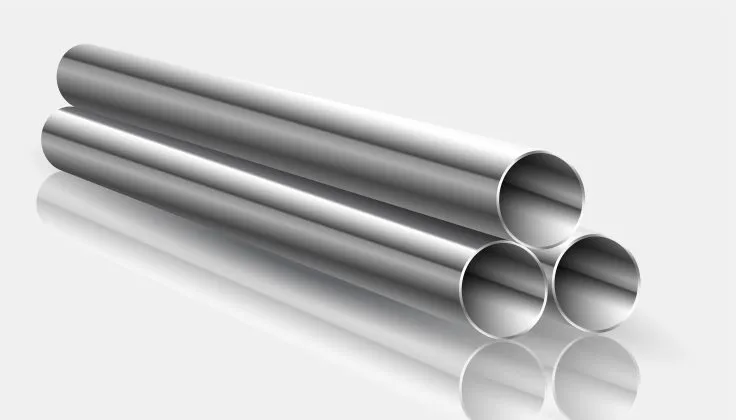
Plant and animal food are rich in various organic molecules, the diversity of which is counted in millions. Many of them are well-studied at this point, some are still under research, and there are still undiscovered ones; however, they can all be classified into separate groups with a characteristic set of properties for each. In the food production process, it is extremely important to preserve the beneficial features for the human body and not to introduce harmful impurities into the initially edible raw materials, which can originate from the materials used in manufacturing equipment. Currently, there are quite strict requirements from health ministries of leading countries, especially those where the fight for environmental cleanliness has led to large-scale measures to protect human health and the environment. To obtain permission to launch production lines, it is now necessary to provide regulatory authorities with irrefutable evidence of the harmlessness of all components, even the smallest details, not to mention those that come into direct contact with the raw ingredients and finished products of food processing plants. For this reason, developers of equipment for their activities highly demand round welded stainless steel pipes, suitable for pumping almost any nutrient masses.
This is reported by Finway
Examples include:
- mineral water, non-alcoholic carbonated beverages;
- oils and fats;
- milk and other protein mixtures;
- sweets;
- alcoholic beverages;
- vegetable and fruit masses.
They contain salts, glycerin-based compounds, amino acids, glucose, fructose, alcohols, organic acids, many of which exhibit high chemical activity. When in contact with them, round welded stainless steel pipes do not engage in redox reactions, thus not being a source of contamination with either their own or produced toxic and simply taste- and aroma-destroying impurities.
How Round Welded Stainless Steel Pipes Help Maintain Cleanliness
Sometimes the sources of problems are not the equipment parts and fresh raw materials, but residues from previously processed batches that have been actively absorbed by rapidly multiplying microorganisms that release toxins into the environment. Only thorough washing of tanks and transport systems after each cycle and maintaining cleanliness at workstations can prevent this. Round welded stainless steel pipes have very smooth surfaces both inside and out, so even sticky masses with high adhesion practically do not cling to them and can be easily removed during washing if it does happen.