

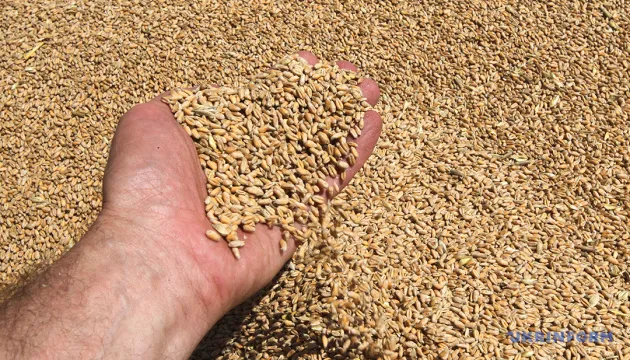
A record grain harvest is expected in the Russian Federation; however, this news does not promise financial benefits for local farmers. Despite favorable weather conditions, farmers are facing declining profitability due to falling prices in global markets and market saturation.
This is reported by Finway
Price and Cost Issues
Analysts note that currently, a ton of Russian wheat costs about 240 US dollars, which is 10 dollars less than last year. Alongside the price drop, farmers are forced to spend more on fertilizers, fuel, and logistics. This results in producers being caught between rising production costs and decreasing profits from grain sales.
About 25 million tons of grain have already accumulated in warehouses across Russia, a consequence of previous harvests and a slowdown in export rates. The situation is complicated by global market saturation and reduced purchases from traditional importers, particularly Egypt and Turkey. Additionally, the strengthening of the ruble further diminishes the competitiveness of Russian grain in international markets.
Government Regulation and Weather Risks
The country’s leadership is trying to keep the situation under control through administrative measures. The initial export quota for grain in 2026 was set at 20 million tons, which was increased by another 5 million in April. At the same time, variable tariffs automatically rise along with increasing global prices, meaning that during peaks of favorable prices, the majority of profits are taken by the state rather than the producers.
“A larger gross harvest under current conditions does not mean higher incomes. It means tougher competition among Russian exporters, greater price pressure, and deeper dependence on state quotas,” the intelligence concluded.
In addition to economic factors, there are also weather risks. In several central, Volga, and southern regions of Russia, the sowing campaign is significantly behind schedule due to abnormal weather phenomena. If these delays are not resolved soon, the harvest may turn out to be smaller than projected by the Russian Ministry of Agriculture.
At the same time, the economy of the Russian Federation has already shown a decline in the first quarter of 2026, which has also negatively impacted the economic situation in Belarus.