

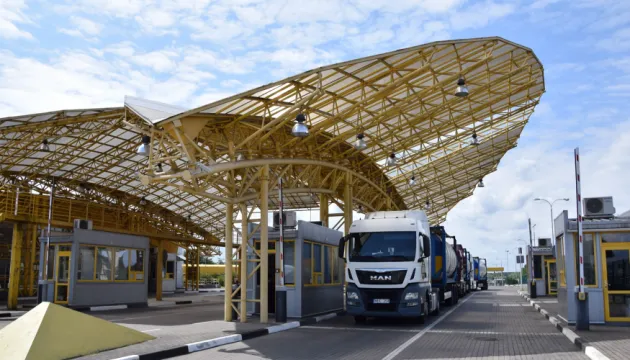
New rules regulating the order of crossing the border by passenger buses have been approved in Ukraine. These changes pertain to the arrival of vehicles at border crossing points and the use of the eQueue system.
This is reported by Finway
According to the new requirements, carriers must responsibly book time slots for crossing the border. Failure to comply with these rules may result in losing the right to queue the following month. This measure will help reduce queues and speed up the movement of buses.
Official Regulation of the eQueue System
According to the draft order from the Ministry of Communities and Territories Development of Ukraine (MinRegion), the new rules provide a clear system for booking slots. They also regulate the appearance of the waiting area and establish accountability for abusing the system.
For instance, carriers who systematically reserve spots in the queue but do not make departures may be deprived of the right to use the system in the following month. This innovation aims to eliminate so-called “dead slots” that hinder the normal functioning of the queue.
Control and Transparency of the Process
The new system also involves close interaction with border guards and technical administrators, ensuring control and transparency in the border crossing process. With accurate tracking of vehicles and accountability from carriers, border crossing points will be able to operate faster and more efficiently.
One of the main reasons for implementing these new rules is the sharp increase in vehicle traffic due to the full-scale war, as well as the closure of air and sea space. Queues at the border sometimes reached 10-12 kilometers, preventing buses with passengers from departing on time and reaching the crossing points.
It is hoped that the introduction of systematic rules will help reduce the burden, improve the quality of passenger service, and lower the risks of corruption at the border. Currently, the document has been published in the form of a draft order and is being prepared for implementation after the public discussion phase is completed.