

As a result of the war in Ukraine, millions of tons of military and construction waste have been generated. Experts note that this waste can be effectively used for energy generation, providing the population with electricity and heat.
This is reported by Finway
Three-Stage Waste Recycling System
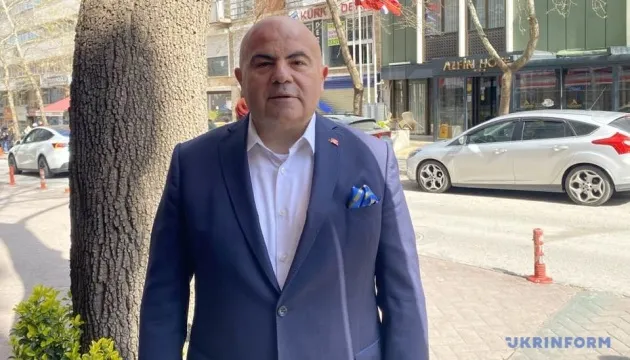
The head of the Waste Management Association and Waste-to-Energy Producers in Turkey, Ali Riza Oner, emphasized the importance of implementing a comprehensive waste processing system. According to him, this process should include three key stages: first, waste must be categorized into hazardous, medical, military, and construction; next, regional centers should be established for processing each type of waste; in the final stage, waste is disposed of and energy is produced through incineration at specialized plants.
“Such a system should consist of three stages. The first is sorting waste into hazardous, medical, military, and construction. The second is creating regional processing centers, as waste must be processed according to its type. The third is final disposal and energy production. For this, specialized plants for incinerating hazardous waste are needed,” said Ali Riza Oner.
The expert stressed that for effective and safe disposal, modern systems for cleaning harmful gases and filters for toxic substances must be implemented. Emission control must meet European environmental standards. The main advantage of this technology lies in converting waste into energy, which can be directed towards heating cities or generating electricity using steam.
Cost, Advantages, and Risks of Disposal
According to Turkey’s experience, constructing a waste incineration plant takes between 1.5 to 3 years, and its cost ranges from 60 to 180 million dollars. The capacity of such enterprises allows for the processing of 500 to 2000 tons of waste per day.
Oner points out that without proper control, waste remains hazardous even after combat operations have ceased. The disposal of construction waste is particularly challenging, as it often includes doors, windows, materials with paint coatings, plastic, and even hazardous substances like asbestos. Leaving such waste in the environment poses a significant risk to human health.
Furthermore, the expert emphasized that Ukraine is currently actively developing its defense industry, making the issue of military waste management particularly relevant. Turkish companies are ready not only to act as contractors but also to become full-fledged partners in this field, having the necessary experience.
According to the State Environmental Inspection, since the beginning of the full-scale invasion by the Russian Federation, the confirmed environmental damage to Ukraine has exceeded 6.4 trillion UAH.