

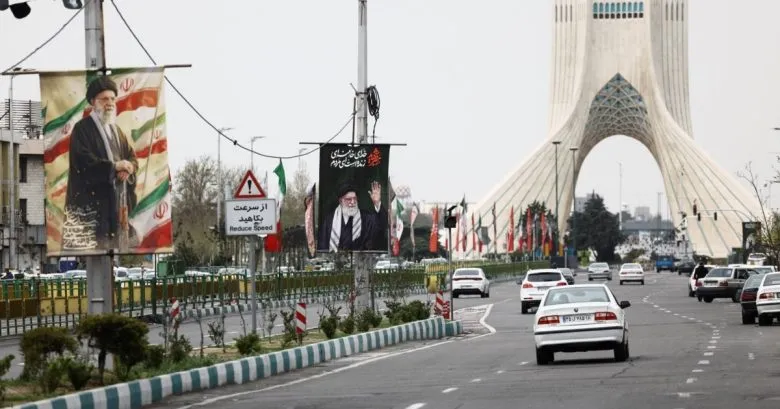
Iran has categorically rejected the US proposal for a peaceful resolution, calling its conditions unacceptable. Tehran emphasized that it will end the current war only when it aligns with its interests and under the condition that its own demands are met.
This is reported by Finway
Main Points of the US Proposal
According to the state broadcaster Press TV, information about the proposal from Washington emerged on March 25, following the transmission of the relevant conditions through Pakistani intermediaries. Among the key US demands are the cessation of uranium enrichment by Iran, a commitment to refrain from developing nuclear weapons, limitations on the ballistic missile program, and the opening of the Strait of Hormuz. In return, the United States is willing to consider the possibility of lifting economic sanctions.
Iran’s Position and Conditions for Peace
In response, the Iranian side insists on the right to independently develop its missile program and maintain sovereignty over the Strait of Hormuz. Additionally, Tehran demands that the US close military bases in the Persian Gulf region, provide financial compensation for damages caused by the war, and offer guarantees for Iran’s future security.
“Iran insisted on the right to freely develop its ballistic missile program and sovereignty over the Strait of Hormuz.”
In light of these events, US President Donald Trump stated that Washington is negotiating with the Iranian side through intermediaries, characterizing these talks as “very good and productive” with a “high-ranking” individual. At the same time, official Iranian representatives, including the parliamentary speaker, deny the existence of direct contacts with the US, although American media report on initial dialogue through third parties.
Escalation of Conflict and Blocking of the Strait of Hormuz
On February 28, the US, in conjunction with Israel, launched a military operation against Iran, during which Ayatollah Ali Khamenei was eliminated and strikes were carried out on the country’s military and nuclear facilities. In response, Iran attacked American military bases and Washington’s allies in the Persian Gulf region.
With the onset of the operation, Iran blocked the Strait of Hormuz—a strategic maritime route through which a significant portion of the world’s oil supplies is transported. The blockage of the strait has already impacted the stability of the energy market and the global economy.