

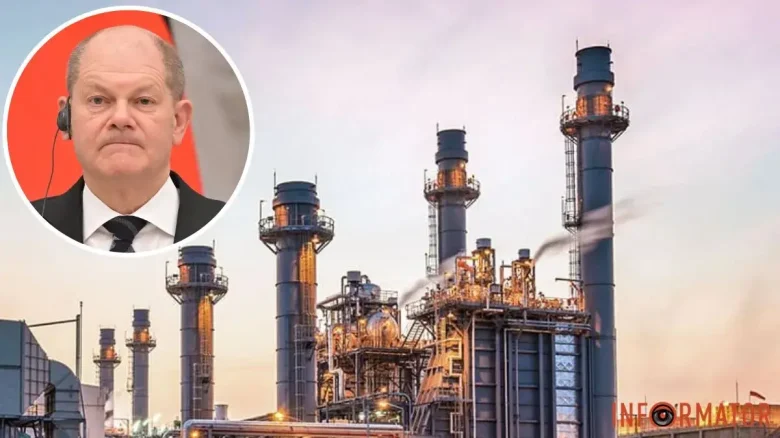
The European Union is actively working on finding tools to help mitigate the impact of high energy prices on the industrial sector. This issue has become particularly relevant due to the prolonged energy crisis, which has significantly affected the competitiveness of European companies.
This is reported by Finway
European Commission Prepares New Proposals
The European Commission plans to present a number of possible solutions for discussion by the leaders of member states at the summit scheduled for March 19. According to the prepared document reviewed by the commissioners, the main focus is on short-term measures aimed at supporting the most vulnerable regions and sectors. At the same time, it is anticipated that such steps should not undermine the EU’s long-term climate strategy, which is oriented towards a transition to cheaper and low-carbon energy.
Discussed Support Options
Among the possible courses of action, changes to the structure of network tariffs, a review of national taxes and fees, as well as optimization of costs related to carbon emissions are being considered. However, the document emphasizes that EU member states are currently underutilizing existing tools to reduce industrial companies’ electricity costs.
In the event of disruptions in energy supply, the European Commission plans to be ready to swiftly implement measures that will encourage consumers to reduce their energy usage, similar to actions taken in 2022.
“Governments are not sufficiently utilizing existing tools to reduce companies’ electricity bills.”
The problem has become even more acute following statements from industrial companies, which, even before the escalation of the conflict in the Middle East, warned that they were struggling to compete with manufacturers from China and the USA due to high energy costs.
The European Commission’s document also notes that even if legislative changes are adopted, their effect will not be immediate. Therefore, there may be a need for temporary solutions to stabilize the situation and reduce energy prices over the next two to five years. It is expected that the gradual transition to clean energy has already begun to yield positive effects in some regions of Europe.