

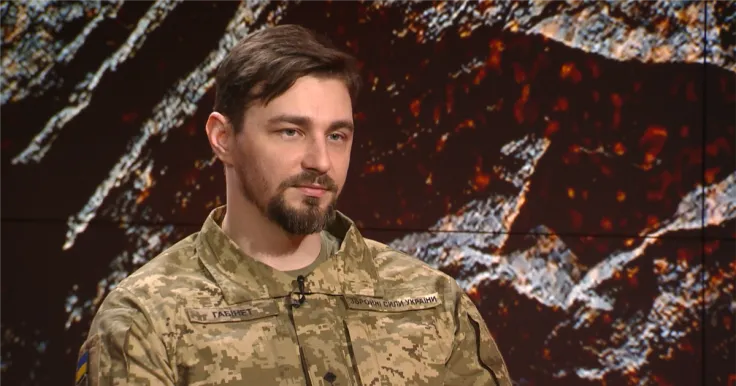
Ukrainian Armed Forces personnel are forced to stay on the front lines for over 100–200 days without rotation due to a serious personnel shortage and the intensive use of unmanned aerial vehicles. This was reported by the commander of the 5th Separate Heavy Mechanized Brigade, Ruslan Habinet.
This is reported by Finway
Situation on the front: shortage of personnel and modern technologies
Habinet explained that the shortage of military personnel is the primary reason for the prolonged stay of fighters in their positions. Additionally, the technological breakthrough in combat operations complicates the situation: constant monitoring using UAVs creates an effect of “transparency” on the battlefield. This significantly limits the opportunities for conducting assault operations, especially during daylight hours and in favorable weather conditions, when the enemy also has a full view of the terrain. According to the commander, the main part of the damage is inflicted by unmanned strike complexes of various types, while the role of artillery is gradually receding into the background. Therefore, the lion’s share of personnel is being transferred to infantry units or UAV units, which are priority areas of development.
“The lack of personnel is the first issue. The second is that the technological development of warfare has long created the phenomenon of battlefield transparency. We have significantly fewer assault actions occurring during clear weather because we can see everything, and the enemy can see everything. The main damage we inflict and that the enemy inflicts is through the use of unmanned strike complexes of various types. This is the main weapon. Even artillery is already taking a back seat. All personnel are forced to go either into infantry or into UAV units – these are the main directions we are currently developing,” says Habinet.
Impact of prolonged stays on combat readiness
The commander emphasized that newly arrived soldiers primarily replace those who have been on the front line the longest. This partially addresses the problem; however, the personnel shortage does not allow for additional offensive actions or the expansion of the defense line. At the same time, the enemy is taking advantage of this situation, increasing the intensity of offensive efforts and moving to active actions in certain sections of the front.
Prolonged stays in positions negatively affect the psychological state and resilience of fighters in combat. After rotation, soldiers receive assistance from psychologists and undergo rehabilitation. However, according to Habinet, some soldiers are forced to resign due to health reasons or transition to contract service, although most remain in the ranks.
According to a study by the Office of the Military Ombudsman, the motivation of soldiers significantly decreases after 40 days in positions, making such long periods of service ineffective. Military Ombudsman Olga Reshetilova reminded that according to the current order, the maximum duration of a soldier’s stay in a position should not exceed 15 days.
In the context of discussing supply issues in the 14th Brigade, Reshetilova also reported numerous cases where soldiers remained on the front line for over a year. She cited an example where one of the commanders managed to rotate a serviceman after 502 days in position.