

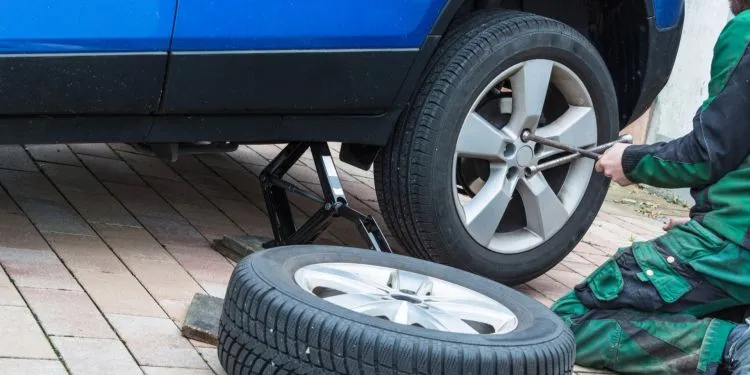
Timely replacement of tires for the seasons significantly increases road safety and reduces the risk of accidents. With the onset of October, the question becomes relevant for Ukrainian drivers: when exactly should they switch from summer tires to winter ones.
This is reported by Finway
Features of Winter and Summer Tires
Seasonal tires have different rubber compositions and tread patterns, which provide optimal grip on the road surface under appropriate weather conditions. Summer tires are stiffer, have shallow grooves for water drainage, and are designed for high temperatures. In contrast, winter tires are made from a softer material that does not harden in the cold, and their patterned tread improves grip on ice and snow.
Tire Replacement Rules in Ukraine
Ukrainian legislation does not specify exact dates for changing summer tires to winter ones. However, according to paragraph 31 of the Traffic Rules, tires must be suitable for weather and road conditions. Despite this, drivers can be fined for operating a vehicle with inappropriate tires based on Article 121 of the Code of Ukraine on Administrative Offenses. For a first violation, the fine is 340 hryvnias, and for a repeat offense, there may be a suspension of driving rights for a period of 3 to 6 months.
“The legislation does not clearly specify the deadline for changing tires, but paragraph 31 of the Traffic Rules states that tire coverings must correspond to the weather and road conditions.”
A draft law No. 43734 is currently under consideration in the Verkhovna Rada, which proposes introducing fines for using out-of-season tires. If passed, the first violation will incur a fine of 1700 hryvnias, and a repeat violation will result in a fine ranging from 3400 to 8500 hryvnias, along with a suspension of driving rights for 3 to 6 months.
When to Change Tires Based on Temperature Conditions
It is important to change tires not only in accordance with legislation but also for personal safety. Summer tires become less effective as temperatures drop, increasing stopping distances and the risk of skidding. The optimal time to switch to winter tires is considered to be mid-October, when the average daily temperature drops to +6-7°C, and nighttime frosts are possible.
If planning a trip abroad, it is essential to consider the requirements of the destination country. In most European countries, winter tires must be installed by December 1, and significant fines are imposed for non-compliance with this rule.