

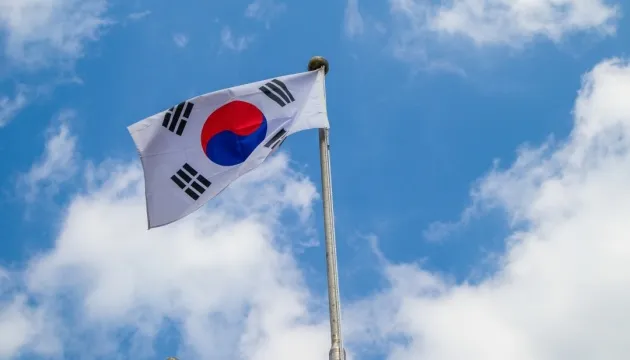
South Korea has urged the Gulf states to ensure a continuous supply of energy resources and to enhance the security of Korean vessels passing near the strategically important Strait of Hormuz.
This is reported by Finway
South Korea Insists on Supply Guarantees and Maritime Security
During a meeting with ambassadors from the member states of the Gulf Cooperation Council, South Korean Finance Minister Koo Yun-chul emphasized the need to secure stable supplies of oil, liquefied natural gas, naphtha, urea, and other key resources. He paid particular attention to the protection of Korean crews and vessels in the Strait of Hormuz region, one of the most important routes for the global energy market.
The ambassadors of the Gulf states described South Korea as a “top priority” country and promised to maintain close cooperation with Seoul to ensure stable supply.
The Gulf Cooperation Council includes Saudi Arabia, the United Arab Emirates, Qatar, Kuwait, Oman, and Bahrain. These countries are leading suppliers of energy resources for many Asian economies, including South Korea.
The Situation Around the Strait of Hormuz and Iran’s Role
South Korea, like most Asian countries, is critically dependent on energy imports, particularly through the Strait of Hormuz, which facilitates the transit of about 20% of the world’s oil supply. Tensions in the region have increased after Iran effectively blocked the strait amid military actions by the United States and Israel against the country.
On April 4, U.S. President Donald Trump warned Iran of possible serious consequences if shipping through the Strait of Hormuz was not unblocked within two days. In response, the Iranian state news agency Tasnim reported that Iran would allow passage only for vessels carrying “essential goods.”
At the same time, South Korea’s Ministry of Industry confirmed the import of 27,000 tons of Russian naphtha, indicating a diversification of energy supply sources in response to threats to stability in the Gulf region.